
We Stop Snakes Before They Move Into Your Yard
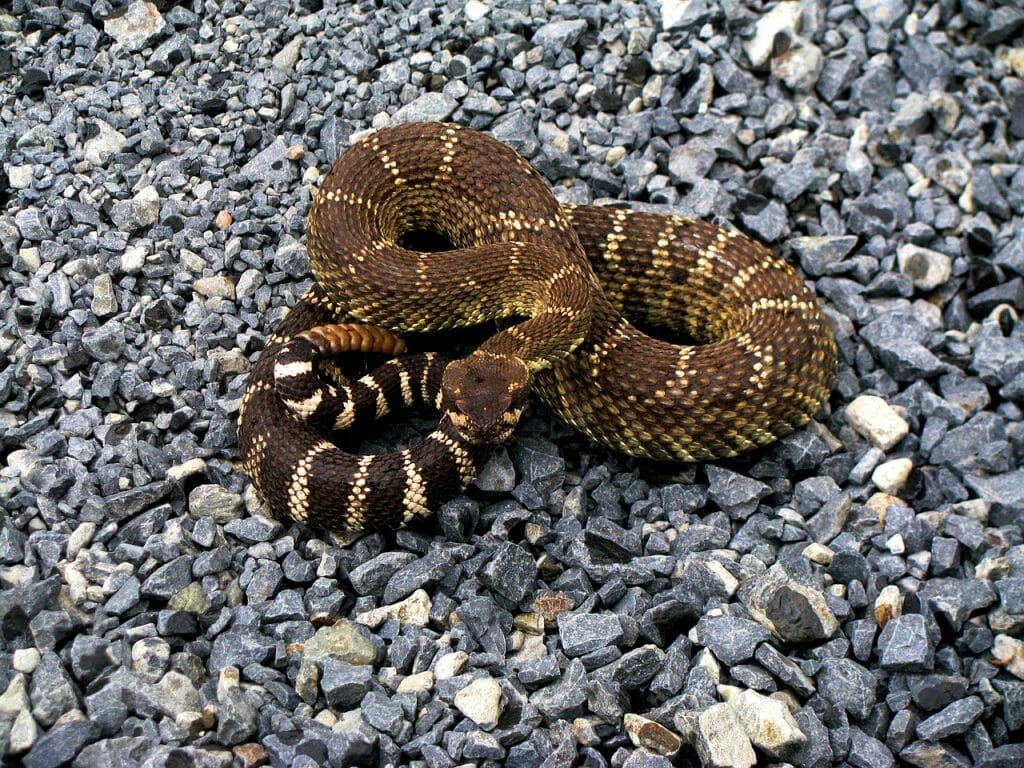
Snakes keep rat and mouse populations under control in the Bay Area, but that doesn’t mean you want one living in your backyard.
At Smith’s Pest Management, we specialize in humane snake exclusion: professionally installed fencing and barrier systems that keep snakes out without harming them.
To learn more about our services and request a snake barrier estimate, call us today: (408) 871-6988
Our Process
Snakes don’t chew or dig their way into your yard. They look for existing openings in the fence, so sealing those off is the most effective way to keep them out.
Unlike sprays or deterrents, a professionally installed snake fence provides lasting protection, requires no chemicals, and humanely keeps wildlife out in full compliance with California regulations.
Here’s how we install snake barriers:
1
Site Evaluation
We start with a detailed evaluation of your yard, fencing, decks, crawlspaces, and foundation areas.
We look for:
- Gaps under fences
- Open crawlspace vents
- Deck or porch voids
- Gate clearances
- Erosion points along property lines
Snake barrier systems are best suited for properties with defined fencing perimeters.
If your yard already has fencing in place, retrofitting it with snake mesh is often straightforward and highly effective.
2
Custom Barrier Design
After evaluation, we design a barrier system tailored to your property.
Typical installations include:
- ¼-inch galvanized hardware cloth installation
- Fence retrofitting to close ground gaps
- Deck and porch skirting
- Crawlspace and foundation exclusion
- Gate gap reinforcement
- Below-grade mesh burial (when needed to prevent digging underneath)
Each system is designed to integrate cleanly into your existing fencing. We focus on aesthetic integration so your yard still looks like your yard, not a construction site.
3
Professional Installation
Our team:
- Secures mesh tightly to existing fencing
- Buries mesh below grade where soil conditions require it
- Reinforces corners and gate areas
- Closes structural voids under decks and structures
- Ensures tight attachment along foundation lines
We build the system to withstand weather, irrigation, and normal yard use.
Snake fencing won’t guarantee you’ll never see a snake again, especially in open or hillside environments, but a properly installed barrier system significantly reduces the chances of one getting into your yard.
4
Optional Annual Inspection
For homeowners who want long-term peace of mind, we offer optional annual inspections to check for:
- Mesh damage
- Soil erosion along fence lines
- New structural gaps
- Gate misalignment
This helps maintain the integrity of your barrier system year after year.
Success Story: How We Helped a Clayton Homeowner Keep Snakes Out of Their Backyard
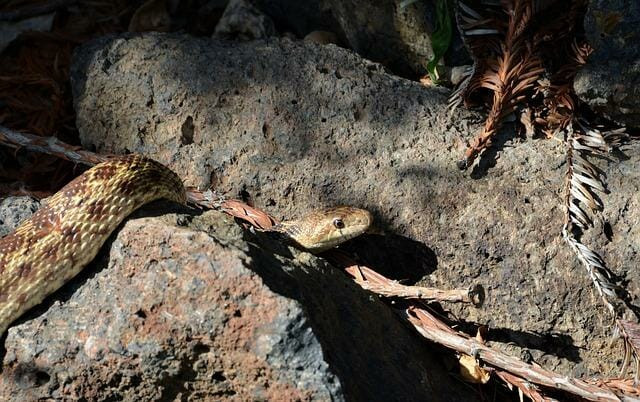
A Clayton homeowner reached out to us after spotting multiple snakes near their back patio and lawn. With kids and pets in the yard every day, they needed a long-term solution that would make the space feel safe again.
During our site evaluation, we found several access points along the existing wood fence, including ground-level gaps and open space beneath the deck.
We retrofitted the entire fence line with ¼” galvanized hardware cloth, buried the mesh below grade to block snakes from slipping underneath, reinforced the gate gaps, and installed deck skirting to close off the structural voids beneath the deck.
We securely fastened and integrated all materials into the existing fence.
The result was a fully enclosed yard with a professionally built snake barrier system that significantly reduces entry risk without traps, chemicals, or harm to wildlife.
Why Choose Smith’s?

Local experts serving Marin, Contra Costa, Alameda, San Mateo, Santa Clara, Monterey, Sonoma, and Santa Cruz Counties

Licensed, certified professionals with 15+ years of experience

Humane, eco-conscious methods that meet California regulations

Programs for homes, HOAs, schools, parks, golf courses, farms, and commercial properties
What Our Customers Say
FAQ
The Bay Area is home to several snake species, and most of them are completely harmless to people.
Common non-venomous species you might encounter:
- Pacific Gopher Snake (Pituophis catenifer catenifer): The most common large snake in the region. Tan with brown speckling, you’ll often spot them in gardens, grasslands, and along trails. They’re harmless, but when threatened, they hiss loudly and vibrate their tails to mimic a rattlesnake.
- Garter Snakes (Thamnophis spp.): These small, active snakes turn up near water features, lawns, and gardens, where they feed on slugs, insects, and small amphibians.
- San Francisco Garter Snake (Thamnophis sirtalis tetrataenia): One of the most visually striking snakes in the region, this endangered subspecies has vibrant blue and red striping. It lives primarily in San Mateo and Santa Cruz counties.
- California Striped Racer (Coluber lateralis): A fast-moving, slender snake with long yellow stripes running down each side.
- California Kingsnake (Lampropeltis californiae): Easy to recognize by its bold black and white banding. Kingsnakes thrive in a wide range of habitats and are known for eating rodents and even other snakes.
The only venomous species in the Bay Area:
- Northern Pacific Rattlesnake (Crotalus oreganus oreganus): The only medically significant venomous snake in the region. It has a broad triangular head and a distinct rattle, though it tends to be shy and avoids people when possible.
Common misidentifications:
Pacific gopher snakes shake their tails in dry leaves to imitate a rattle, and California kingsnakes flatten their heads and act defensively when threatened.
Many snake sightings turn out to be non-venomous species mistaken for rattlesnakes.
Since identification can be difficult, many homeowners choose a physical barrier system simply for added peace of mind.
Most Bay Area snakes are not dangerous to people.
The only venomous species in the region is the western rattlesnake. While rattlesnake bites are rare, they are serious and require immediate medical attention.
Non-venomous snakes like gopher snakes, kingsnakes, and garter snakes may strike defensively if handled, but they are not medically dangerous.
Snakes usually show up for one reason: food and shelter.
If your property has:
- Rodent activity
- Dense landscaping
- Rock walls or wood piles
- Open fencing gaps
You are more likely to see snakes. They follow prey and look for protected areas to move through safely.
If your home borders open hillsides or undeveloped land, you might see snakes more often.
Yes. Our snake exclusion barriers come with a 1-year warranty on the specific areas we install or repair. If a barrier fails under normal conditions during the warranty period, we’ll come back to address the issue.
This includes problems with installed materials like snake fencing, screening, sealed gaps, or other barrier components designed to help keep snakes out. The warranty does not cover new entry points, damage from major property changes, or areas we did not install or repair.