

We Eliminate Ant Colonies and Keep Them From Coming Back
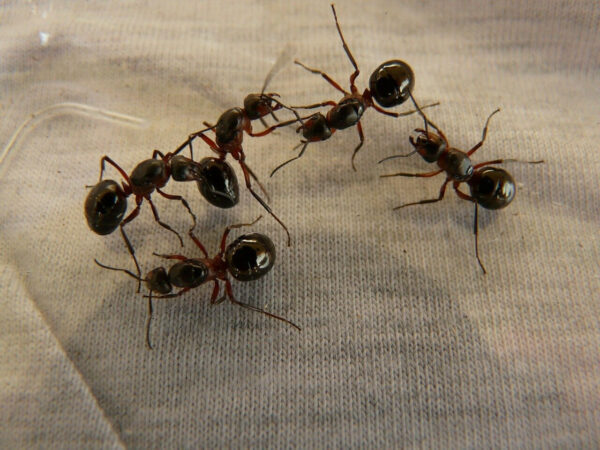
You should be able to enjoy your home without ants in your kitchen, on your counters, or crawling through your pantry – but the Bay Area’s mild winters and dense residential landscaping create perfect conditions for ants to thrive.
Bay Area ants build super colonies that stretch across entire neighborhoods, which makes them nearly impossible to eliminate without professional pest treatment.
Smith’s Pest Management eliminates the colony at the source using no-spray, non-toxic treatments that are safe for your family, your pets, and the environment.
Call now for a FREE inspection:
What Kind of Ants Are You Dealing With?
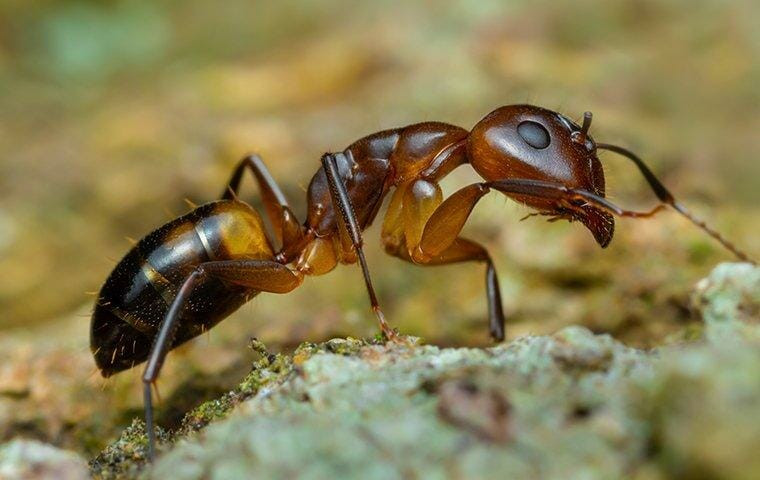
Argentine Ants
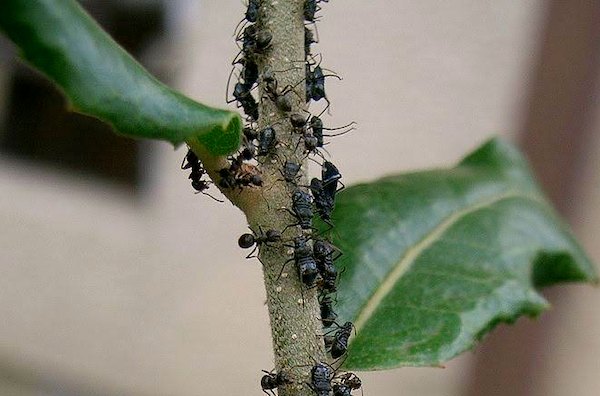
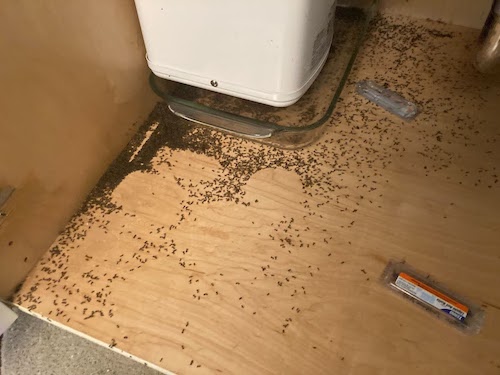
Small, brown, and fast-moving, Argentine ants are the dominant ant species across the Bay Area, especially in Berkeley, Walnut Creek, and San Anselmo. They don’t live in a single nest you can destroy – they form super colonies spanning multiple yards, with hundreds of queens and millions of workers. One open food source on your counter is enough to bring thousands of them inside within hours. They also actively protect aphids and scale insects in your garden, feeding on the honeydew these pests produce. If your plants are wilting or discoloring, ants are likely part of the reason.
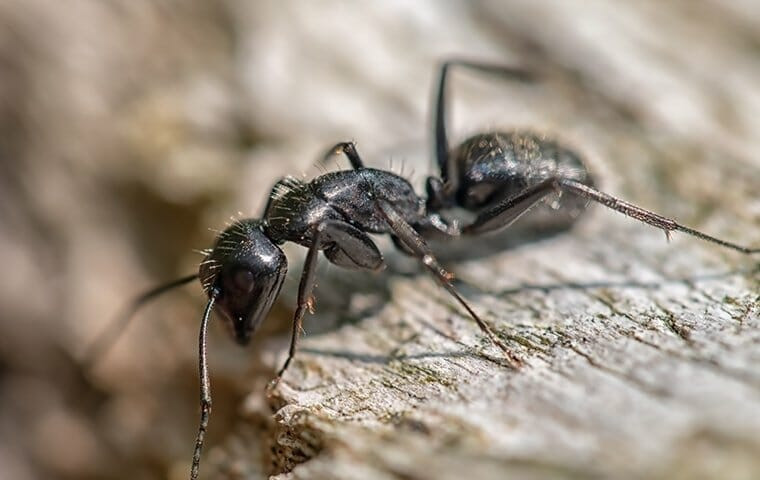
Carpenter Ants
Carpenter ants are the large, black ants you’ll spot around wood structures – fence posts, decking, tree stumps, and the framing inside your walls. While they don’t eat wood, they hollow it out to build their nests. In the Bay Area’s older houses, such as those in Oakland, Alameda and Los Gatos, a carpenter ant infestation can do serious structural damage before you ever notice it. If you’re seeing large ants near wood, or finding sawdust-like frass near baseboards, call us right away.

Fire Ants
Fire ants are less common in the Bay Area but have been found in parts of the South Bay and East Bay. They build visible mound nests in open, sunny areas such as lawns, parks, and playing fields. Disturb the mound and they swarm fast, delivering a painful sting that can cause allergic reactions in some individuals. If you have kids or pets who spend time in the yard, it’s important to remove fire ant nests as soon as possible.
How We Treat for Ants
1
Inspect the Entire Property
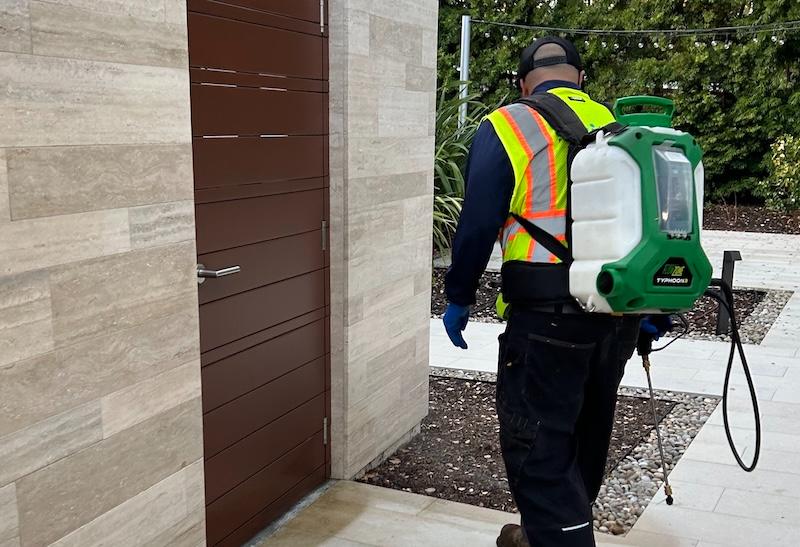
Most ant problems start outside before they become an indoor problem. Our technician inspects your property from end to end:
- Tracking ant trails on tree trunks, along fences, and around the building perimeter to find where they’re entering
- Inspecting planter beds, bark mulch, and lawn edges, which are common ant highways
- Looking for honeydew-producing insects like aphids in trees and shrubs – a primary food source for Argentine ants
- Checking for moisture, cracks in the foundation, and entry points around doors, windows, and utility lines
2
Treat at the Colony with Bait
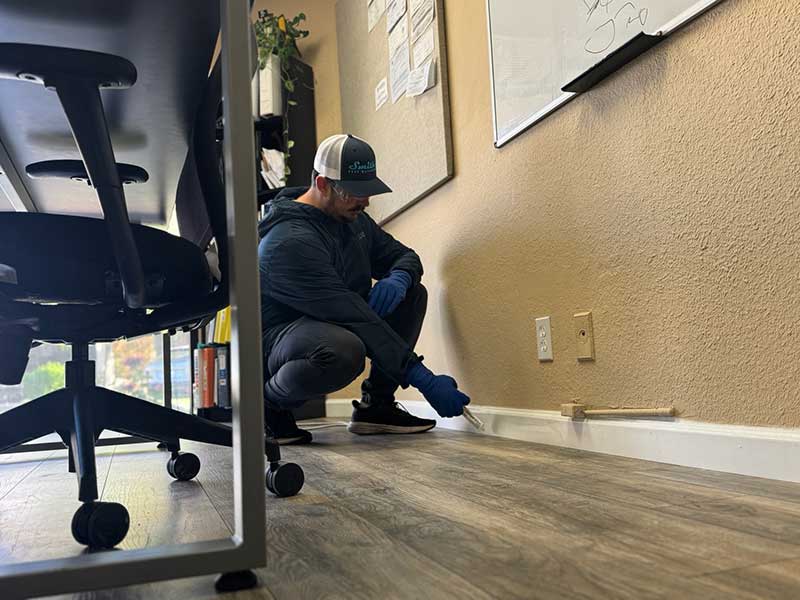
Instead of spraying ants, which is ineffective (it only kills the workers you see, but leaves the queens and colony intact) as well as toxic, we use a better approach, which includes:
- Applying low-concentration sweet bait stations outside your home, drawing ants away from the structure toward the bait
- Using a slow-acting bait that workers carry back to the colony before it takes effect, spreading it to queens and larvae
- Treating trees and shrubs harboring aphids and honeydew sources that feed the colony
- Treating entry points and the foundation with a product ants can’t detect, so they carry it back to the colony instead of avoiding it
3
Follow Up and Prevention
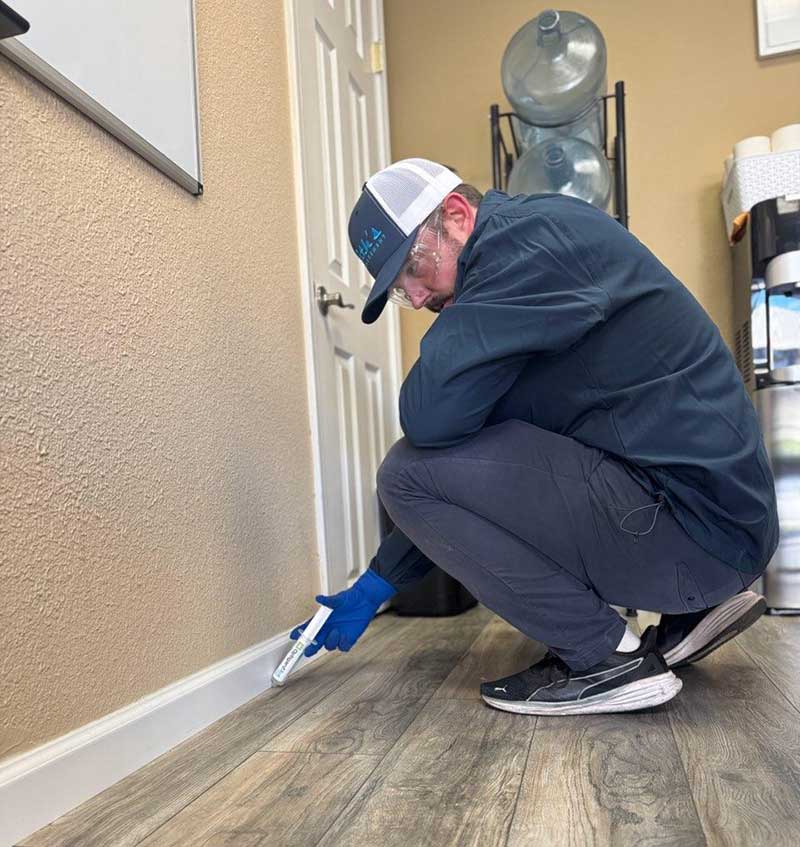
Ant colonies are persistent – one treatment won’t eliminate them. We:
- Return on a regular schedule to monitor bait stations, refresh treatments, and track colony reduction over time
- Alert you to other conditions that attract ants, like overripe fruit, accessible trash, and overgrown shrubs touching the building
- Continuously remove the secondary pests like aphids in your landscaping that could feed a rebound ant population
- Re-treat between scheduled visits at no charge if ants return
Success Story: How We Helped a Homeowner in Los Gatos Eliminate a Massive Argentine Ant Infestation
A homeowner in Los Gatos contacted us after dealing with the same ant problem for two years. She had tried store-bought bait, sprays from the hardware store, and even a one-time treatment from another pest company, but the ants kept coming back every few weeks.
When we inspected the property, we found ant trails running up three separate ornamental trees along the fence line. The trees were heavily infested with aphids, giving the colony a steady food supply right next to the house. There was also an ivy groundcover along the back wall – a perfect nesting environment for Argentine ants.
We placed bait stations away from the house near the ant trails, treated the trees to reduce the aphid population feeding the colony, and applied a non-repellent, eco-friendly perimeter treatment around the foundation.
Within two weeks, the number of ants on the trees decreased significantly. Within 60 days, the homeowner stopped seeing ants inside entirely. We continue to service the property on a regular schedule to prevent recurrence of ant issues.
What Our Customers Say
FAQ
Most likely, you’re dealing with Argentine ants – the dominant ant species across the Bay Area. They form super colonies with hundreds of queens, so killing the workers you see doesn’t remove the colony itself. DIY sprays also repel ants rather than eliminating them, which can cause the colony to split and spread to new areas. To remove them, you need to use slow-acting bait that workers carry back and share with the colony.
Spraying kills the workers you see, but the colony keeps producing more. As Zach Smith, founder of Smith’s Pest Management, puts it: “There are hundreds of queens making hundreds of babies all the time. You knock the population back, but they just keep filling in the void.”
Bait works differently: workers carry it back to the colony and share it with the queens before it takes effect. But it has to be the right concentration and maintained consistently. Most DIY bait fails because people don’t put out enough of it and don’t keep it out long enough.
Smith’s uses professional-grade bait at the correct concentration, placed in the right locations, and replenished on a regular schedule.
The cost depends on the size of your property, how widespread the ant activity is, and how many treatments are needed.
We provide a clear price after inspecting your property so you know exactly what it will take to get the problem under control.
Our mild winters let Argentine ant colonies survive and grow year-round rather than dying in cold weather. Dense residential landscaping, irrigated lawns, and mature trees create ideal nesting and feeding conditions. Argentine ants also thrive alongside the aphid and scale insect populations common in Bay Area gardens.
Yes. We use targeted bait stations placed in specific locations away from high-traffic areas. We do not do broadcast sprays inside your home. All of our products are safe for children and pets, and we offer fully natural, botanical options as well.
For Argentine ant super colonies, you should expect 4–8 weeks to see a significant reduction in activity. This is normal, and it’s actually a sign the bait is working. If the ants die too fast, the bait doesn’t reach the queens. We’ll keep you informed of progress at every visit.
For most Bay Area homes dealing with Argentine ants, yes. Because super colonies are persistent and neighbors’ properties constantly re-seed the population, monthly maintenance keeps the colony pressure low and prevents re-infestation. We offer an annual program that covers your property all year.
Call us. We will come back out at no charge and re-treat. That’s our guarantee.
At Smith’s Pest Management, our ant control service typically costs $100–$250 per visit, depending on your home’s size and how many areas we need to treat. We usually need several visits over the course of 4–8 weeks to get rid of ants. During these visits, we’ll check and refill bait stations, look for remaining ant trails, and adjust our treatments wherever ants continue to appear.
If you want to prevent new ant colonies from settling around your home, you can choose our Pest Protection Plan. Our technicians will visit your home typically 1–2 times per month to check for new ant trails, replenish bait stations, and treat areas where ants enter or nest. Most homeowners spend $250–$350 per month for ongoing maintenance, depending on their property size and the services they choose. If we follow the agreed treatment plan and still can’t resolve the problem, we’ll refund up to three service payments.