

One Roach Means Hundreds More - We Stop the Infestation at the Source!
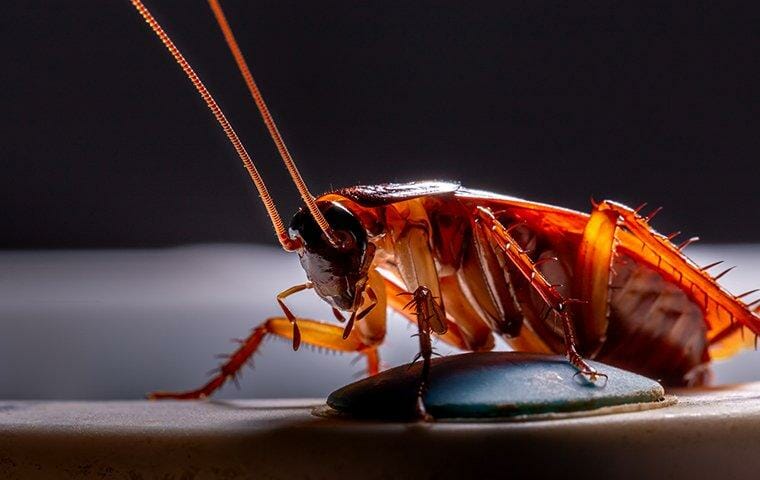
Cockroaches are one of the most stubborn pests you can have in your home.
They breed fast and hide everywhere – behind your walls, under your appliances, and inside your cabinets. By the time you spot one, there are likely hundreds more you can’t see. They contaminate your food, trigger allergies and asthma, and spread bacteria across every surface they touch.
At Smith’s Pest Management, we help homeowners and businesses across the Bay Area – from Marin to Monterey – get rid of cockroaches and stop them from coming back.
Don’t wait — call now to schedule a FREE inspection: (408) 871-6988
Signs You’ve Got a Roach Problem
Not sure if you are dealing with cockroaches? Here are the most common signs to watch for:

You see cockroaches during the day
Cockroaches are nocturnal and stay hidden when the lights are on. Spotting one during the day usually means the hiding spots are overcrowded and the infestation is already large.
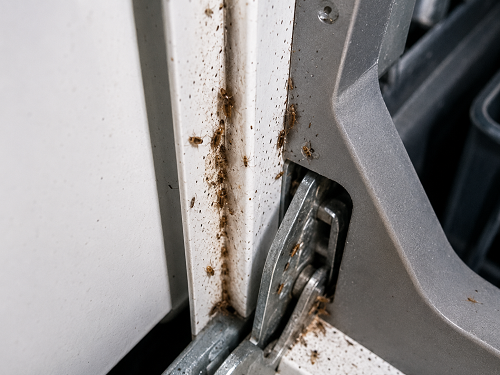
Droppings
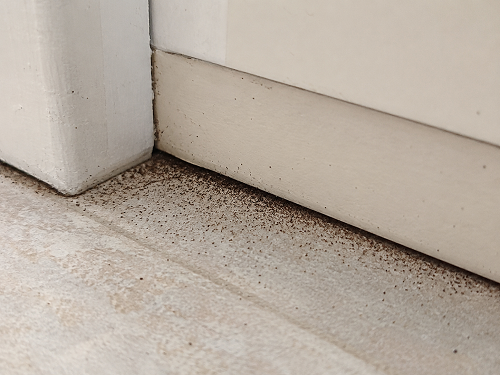
Look for small black or dark brown specks that look like ground pepper or coffee grounds along cabinet edges, behind appliances, under the sink, and along baseboards.
A musty, oily smell
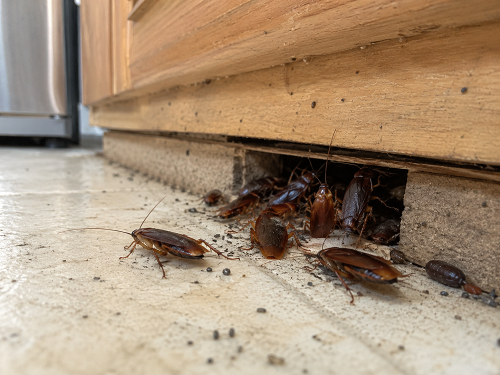
Large roach infestations produce a distinct odor that is easy to mistake for a food or drain smell. If you notice a musty, oily smell in your kitchen that will not go away no matter how much you clean, cockroaches are likely nesting nearby.
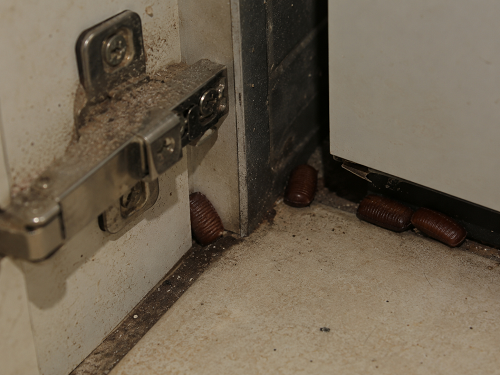
Egg cases
Cockroaches leave small, oval, brownish capsules called oothecae in hidden corners, behind appliances, and inside cabinet hinges. A single egg case can contain up to 40 eggs.
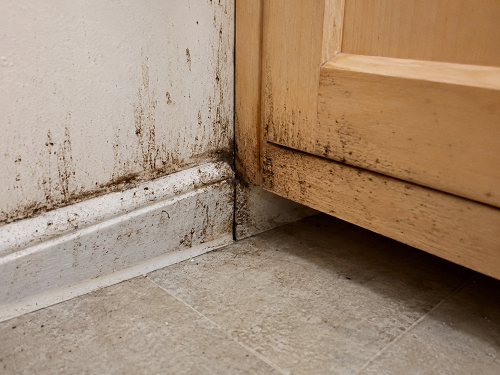
Smear marks
In areas with moisture, roaches leave dark, irregular smudges along walls, baseboards, and cabinet edges as they travel the same routes repeatedly.
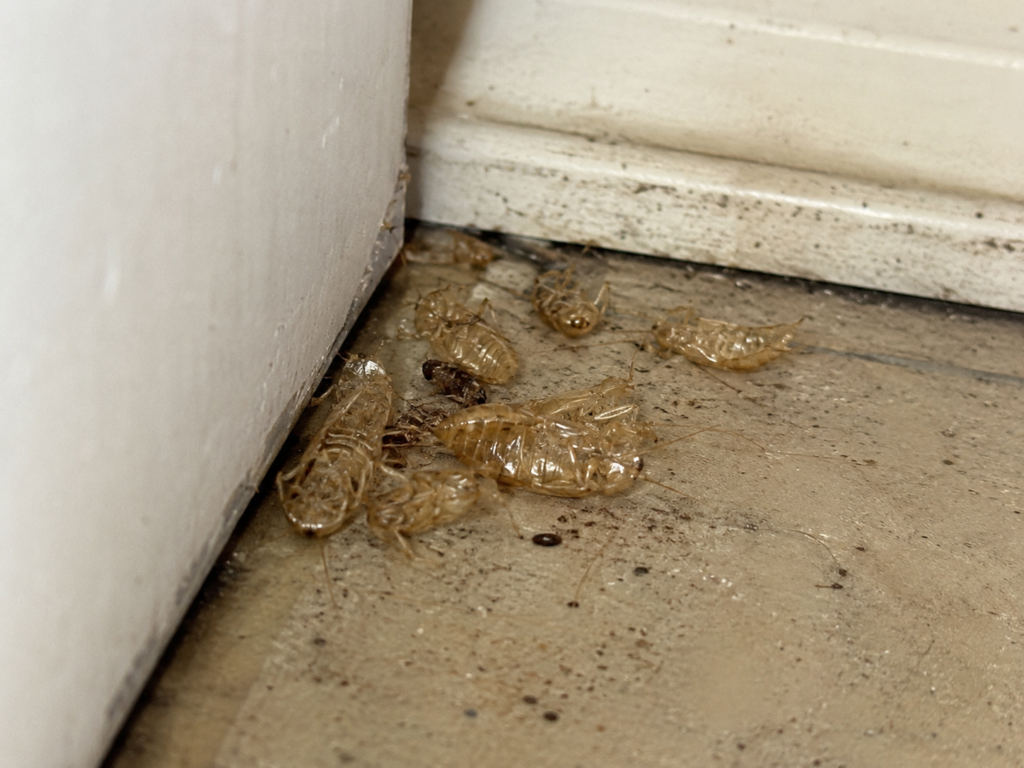
Shed skins
Cockroaches molt as they grow, leaving behind translucent skin casings near their hiding spots. Finding multiple shed skins in one area is a sign of an established nesting site.
What Kind of Roach Are You Dealing With?
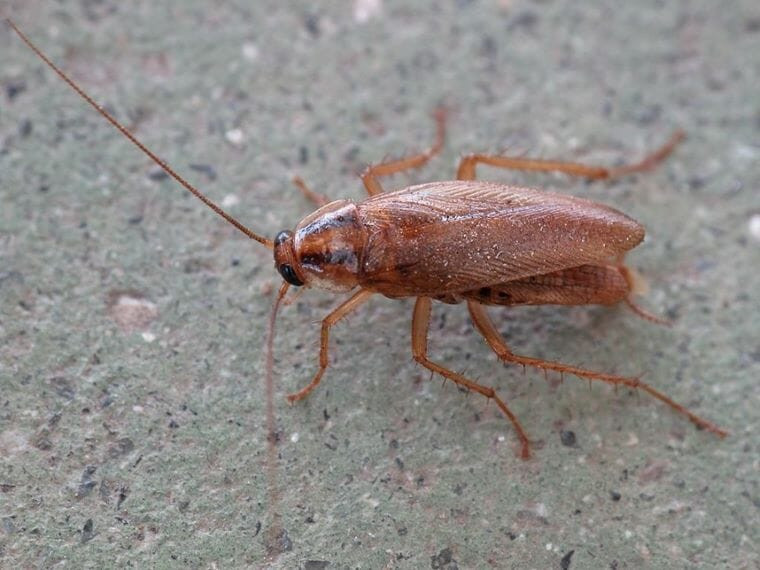
German Cockroaches
German cockroaches are small, light brown, and the most common species you can find in your Bay Area home, especially if you live in densely populated urban centers, like San Jose, or older, high-density multifamily apartment buildings in Oakland and Berkeley. They infest kitchens almost exclusively, hiding in the narrow gaps behind appliances, inside cabinet hinges, and under sinks, where it is moist and warm. A single female can produce hundreds of offspring in her lifetime, which is why an infestation can go from a few roaches to thousands in just a few weeks.
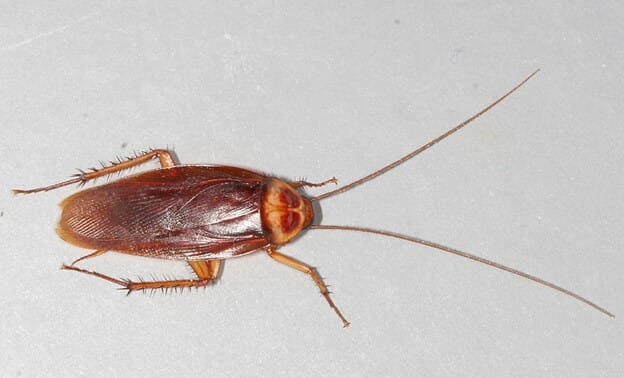
American Cockroaches
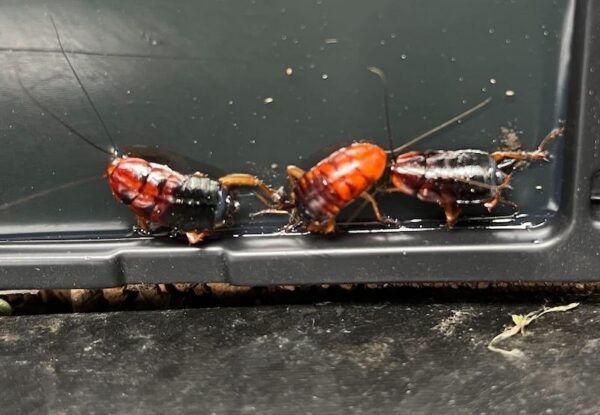
American cockroaches are the large, reddish-brown roaches that you see racing out from under the fridge or scurry across the garage floor at night. They are especially common in properties across Mill Valley, Fairfax, and Alameda, where mature landscaping, compost bins, and wood piles close to the house give them everything they need to thrive. They typically enter through gaps under doors, foundation vents, and cracks in the siding.
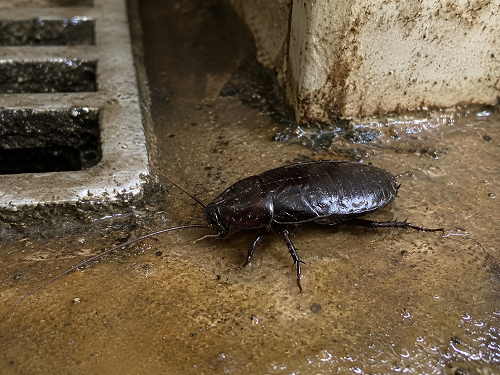
Oriental Cockroaches
Oriental cockroaches are dark brown to black. They move slowly, and you can find them in damp areas like under sinks, in crawl spaces, near floor drains, and along basement walls. They thrive in the older houses common in cities like Alameda, Walnut Creek, and Mill Valley, where aging pipes and damp crawl spaces give them the moisture they need. If you keep finding them inside, check for leaks and damp areas because Oriental cockroaches are often a sign of a hidden moisture problem.
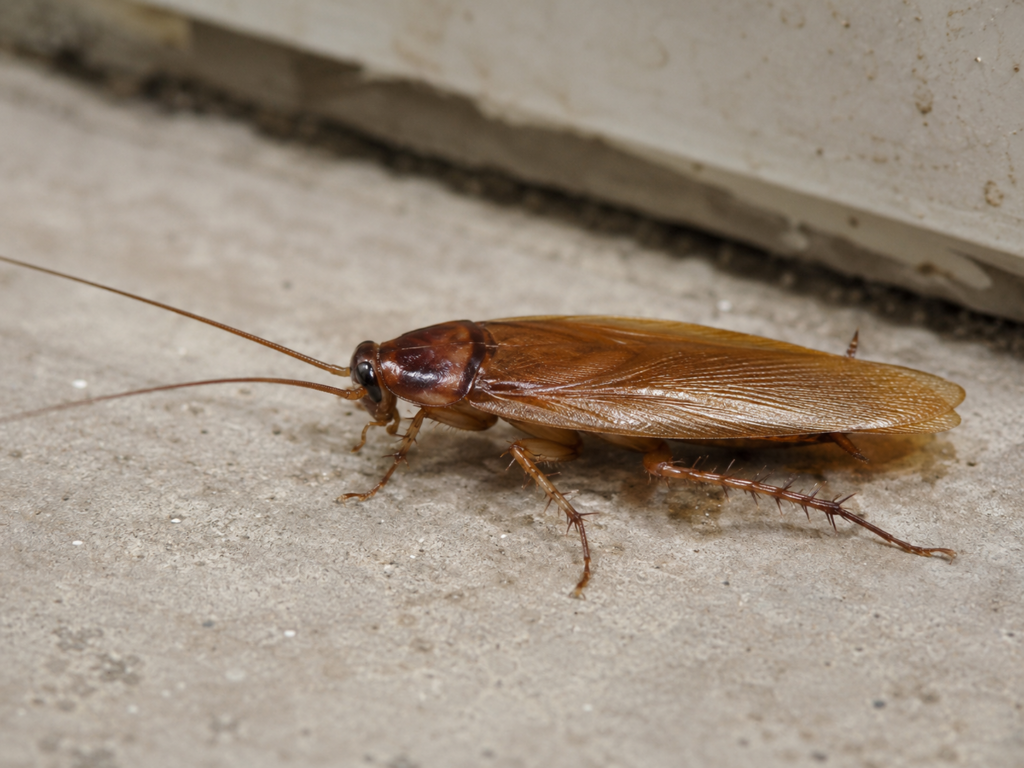
Turkestan Cockroaches
Turkestan cockroaches are an invasive species spreading rapidly across the Bay, particularly in the South and East Bay, and they are strongly attracted to outdoor lights at night. They nest in soil, compost, and the gaps in brick and concrete that you will find in the older gardens and yards of cities like San Jose, Fremont, and Walnut Creek. Once they establish themselves outdoors, they find their way into your home through any gap they can fit through.
How We Treat for Roaches
1
Inspection
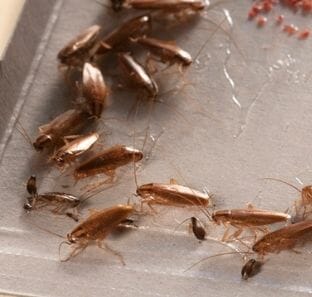
We inspect your home to find where cockroaches are hiding and what is attracting them to your property, including:
- The kitchen, bathrooms, and utility areas, with close attention to gaps behind appliances, under sinks, and inside cabinet hinges
- Crawl spaces, foundation vents, and exterior walls for moisture issues and entry points that cockroaches use to get inside
- The perimeter of your property, including mulch beds, compost areas, and wood piles close to the house
- Placing sticky monitors in key areas during the inspection so we can target treatments precisely and measure progress on every follow-up
2
Treatment
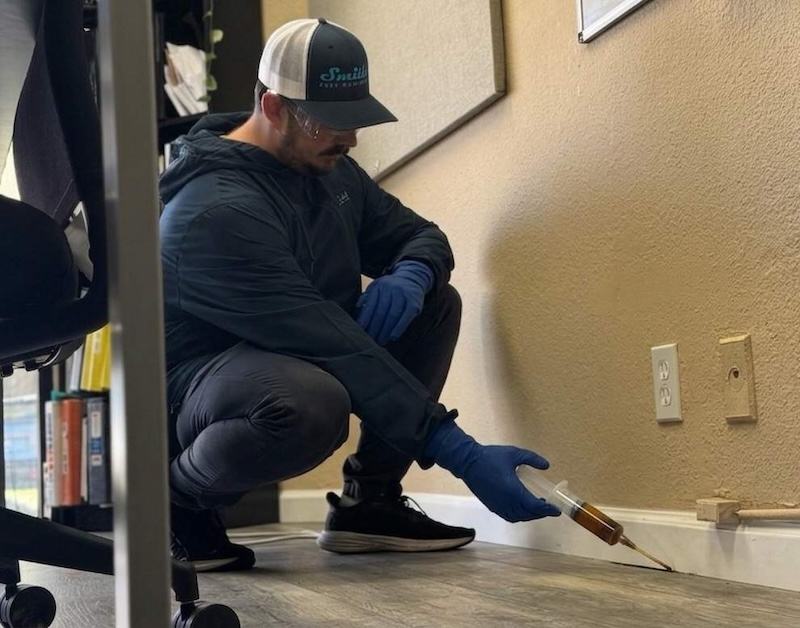
We use a combination of targeted treatments to eliminate cockroaches, including:
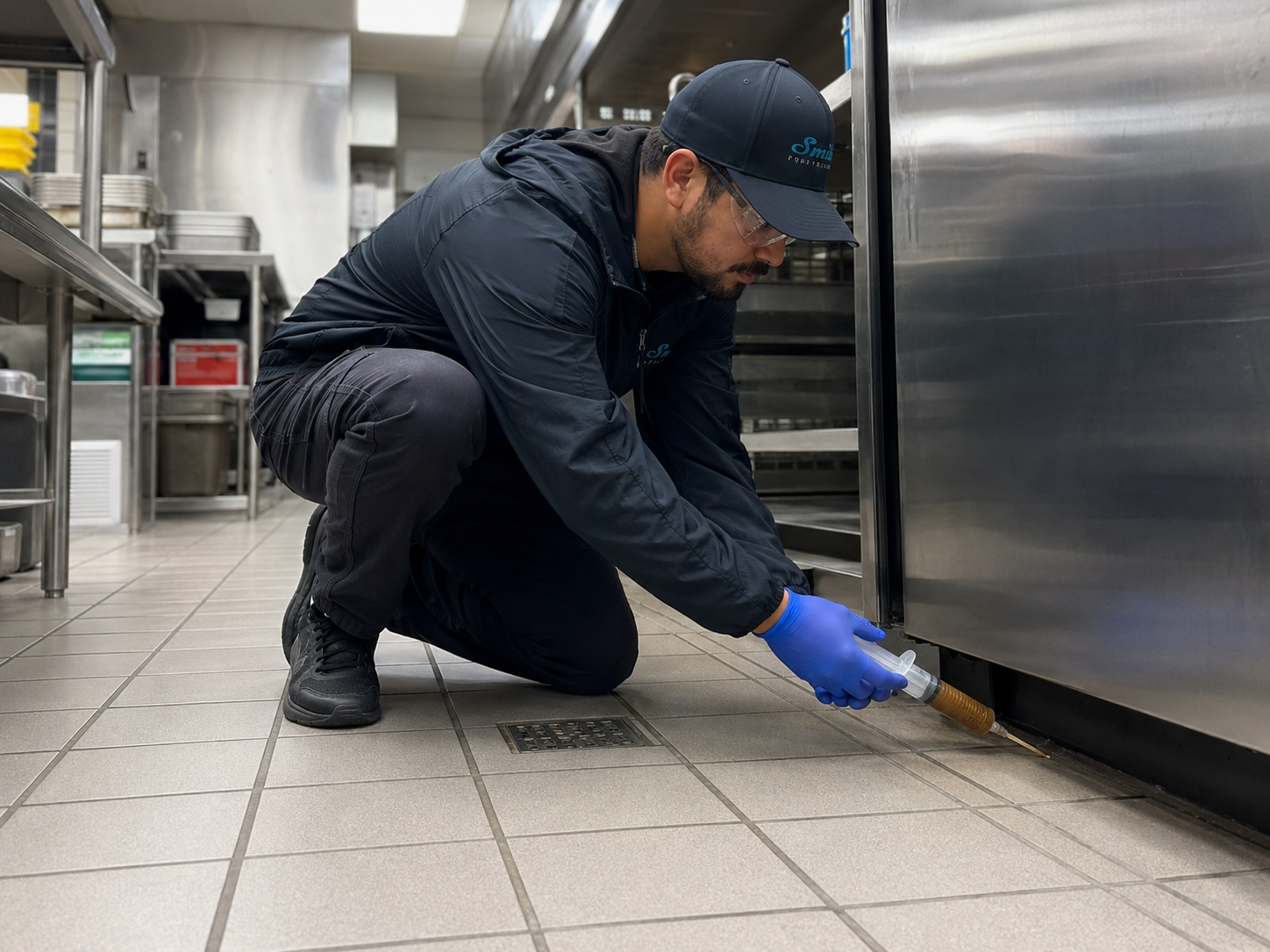
- Applying gel bait directly into cracks, hinges, and recesses where cockroaches feed, and placing bait stations under appliances and under the sink
- Applying insect growth regulators that prevent young cockroaches from developing into breeding adults, which breaks their breeding cycle
- Vacuuming up cockroaches and egg cases in heavily infested areas to reduce their numbers
- Sealing gaps under doors, foundation vents, and utility penetrations that cockroaches are using to get inside
3
Follow Up
One treatment is not enough to eliminate a cockroach infestation. We:
- Return on a regular schedule to read monitors on every visit and confirm where cockroaches are still active
- Check bait stations, replenish bait where it has been consumed, and shift treatments to the areas showing the most activity
- Point out conditions inside and outside your home that are attracting cockroaches, such as leaking pipes, damp crawl spaces, open compost, and clutter near the house
- Come back at no charge between scheduled visits if cockroaches return
Success Story: How We Helped a Restaurant Owner in San Jose Get Rid of a German Cockroach Infestation
A restaurant owner over in Willow Glen, San Jose, contacted us after finding German cockroaches behind the prep line and inside the hinges of his under-counter refrigerators. He had tried store-bought bait and a one-time spray treatment from another company, but the cockroaches came back within two weeks each time.
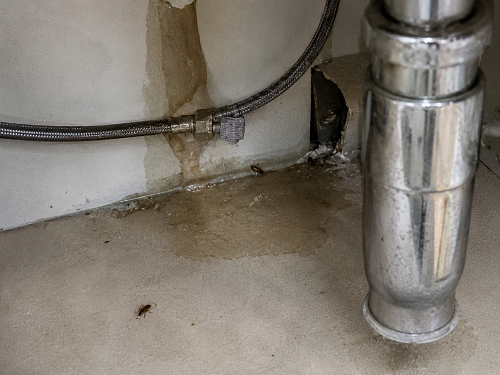
When we inspected the kitchen, cockroaches were nesting behind the dishwasher, inside the lower cabinet hinges, and under the prep table. We also found a slow leak under the hand-washing sink that had been creating moisture inside the wall for months.
We applied gel bait into every crack and hinge where cockroaches were active, placed bait stations under all appliances, and told the owner about the leak under the sink that was making the problem worse.
Within one week, the owner was seeing significantly fewer cockroaches. After the second visit two weeks later, monitors showed almost no cockroaches remaining, and the restaurant has passed every health inspection in the 18 months since.
What Our Customers Say
FAQ
They certainly can be!. Cockroaches carry dangerous bacteria, including Salmonella and E. coli, on their bodies and spread them to every surface they walk across, including your countertops and food prep areas.
Their shed skins and droppings are also a documented trigger for asthma and allergies, particularly in children.
The longer an infestation goes untreated, the greater the health risk to your family.
The most effective steps you can take to prevent cockroach infestations are:
- Fix leaking pipes under sinks and in crawl spaces, since cockroaches need moisture to survive
- Store food in sealed containers and clean grease and food debris from behind and under appliances regularly
- Break down and dispose of cardboard boxes quickly, since cockroaches eat wet cardboard and use boxes as harborage
- Check that door sweeps seal tightly to the ground and seal gaps around utility penetrations and foundation vents
- Move compost bins and wood piles away from the foundation of your house
The cost depends on the size of your home, the species involved, and how established the infestation is.
A German cockroach infestation in a large kitchen will require more visits than a single American cockroach entry point from the yard.
We provide a clear price after inspecting your property, so you know exactly what it will take to get the problem under control before we start.
Our recurring cockroach control service comes with a 100% satisfaction guarantee.
If you are not satisfied with the results, we will come back to inspect the property, identify why cockroaches are still active, and resolve the problem at no extra charge.
If the problem is still not resolved after following the plan together, we will refund up to three service payments.
Most homeowners we visit have already tried at least one round of DIY treatment before calling – sprays from the hardware store, foggers, store-brand bait stations, or a cheap one-time treatment from a pop-up exterminator. The cockroaches come back within two to three weeks every time. Here is why:
- Sprays kill what they touch and miss the rest. A typical cockroach colony spends most of its life hidden inside wall voids, behind appliance motors, and inside cabinet hinges. Surface sprays reach the few foragers exposed at the moment of treatment and leave the breeding population untouched.
- Foggers scatter the colony into harder-to-find harborage. German cockroaches respond to repellent products by spreading into new wall voids and adjacent units. After a fogger, the infestation is often worse — and a lot harder to find.
- Store-grade gel baits use a single active ingredient. German cockroaches develop bait aversion if they are repeatedly exposed to the same active ingredient. Professional treatments rotate between two or three actives plus an insect growth regulator (IGR) to break that pattern. Store products rarely include an IGR at all, which means newly hatched nymphs survive every round.
- DIY treatment cannot address the moisture and entry-point problems underneath the infestation. Cockroaches need water more than food, and almost every persistent infestation traces back to a hidden moisture source – a slow leak under a sink, condensation in a crawl space, or a damp void behind an appliance. Until you fix these conditions, no treatment will hold.
The result is the pattern we see almost every week: two weeks of relief, then the population rebounds, and the homeowner is back where they started with a colony that is harder to kill than the one they started with.
The timeline depends on the species and how established the infestation is, but for a typical German cockroach infestation in a Bay Area home or restaurant kitchen, expect:
- Week 1 — visible activity drops 70 to 85%. Gel bait and IGR hit the active foragers within 48 hours. You will still see a few cockroaches, mostly nymphs emerging from harborage, but the heavy nighttime traffic stops.
- Weeks 2 to 4 — colony collapse. Remaining adults and newly hatched nymphs feed on bait stations. Any egg cases laid before treatment hatch during this window, and the IGR stops the new nymphs from reaching breeding age. This is the period most DIY attempts fail because store-grade products do not include an IGR.
- Weeks 4 to 6 — monitors confirm elimination. We check the sticky monitors placed during the inspection. If they have stayed clean for two consecutive visits, the colony is gone.
American, Oriental, and Turkestan cockroach infestations resolve faster – typically one to three weeks. These species do not breed indoors at the same density as German cockroaches and their populations are smaller to begin with. Most of the work on those species is exclusion: sealing the entry points so they cannot come back from the yard.
If you are still seeing cockroaches at week 6, something else is going on – usually an undiscovered moisture source, an adjacent unit feeding a re-infestation, or an entry point we missed. We come back at no charge to find it.
At Smith’s Pest Management, our roach control service typically costs $100–$250 per visit, depending on your home’s size and how many areas we need to treat. We typically need 2–4 visits over 4–6 weeks to eliminate cockroaches. During these visits, we check and refill bait stations, inspect kitchens, bathrooms, and other places where roaches hide, and adjust our treatments if we find live roaches, fresh droppings, or egg cases. Smaller infestations may take less time to eliminate.
For ongoing cockroach control, most homeowners spend $250–$350 per month. Our recurring services include a 100% satisfaction guarantee. If you’re unhappy with the results, we’ll inspect your home again and provide additional treatments at no extra cost.