


Humane, Eco-Friendly & Guaranteed Rat & Mouse Extermination
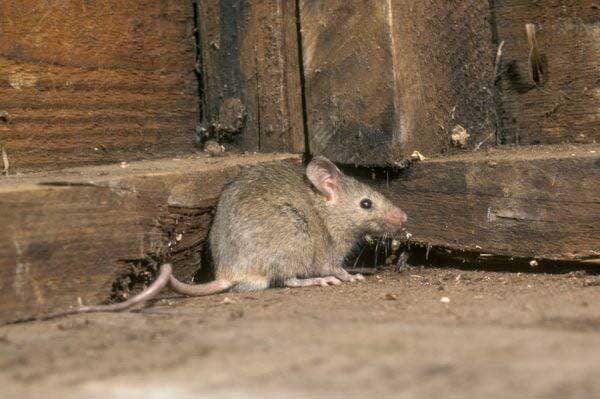
Hearing scratching in your walls at night? Finding droppings in your pantry or garage? You’re not alone – rat and mouse infestations are surging across the Bay Area.
Once rodents find a way into your property, they breed quickly, chew through wiring and insulation, contaminate your kitchen with droppings and urine, and carry diseases like salmonella, leptospirosis, and hantavirus.
The longer you wait, the worse it gets – and the more expensive the damage becomes.
Since 2009, Smith’s Pest Management has helped Bay Area homeowners and businesses eliminate rodent infestations using eco-friendly solutions that are safe for your kids, pets, and property.
Don’t let rodents cause more damage. Call now:
Signs You’ve Got Rats or Mice on Your Property
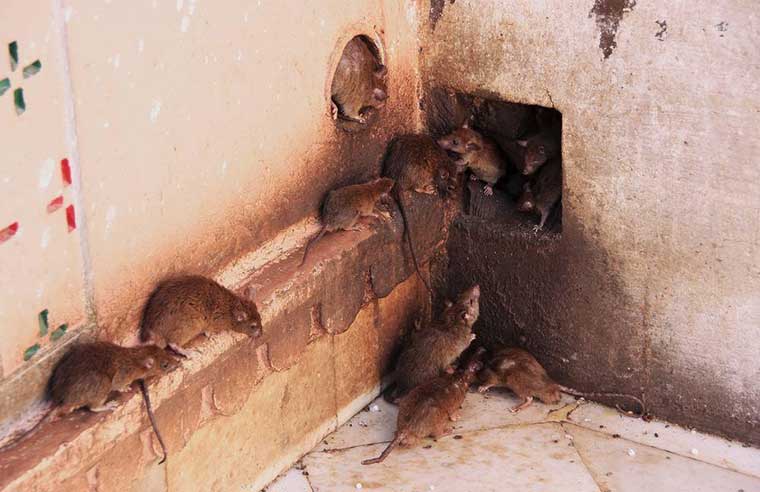
Scratching Sounds in Walls or Ceilings
Across the Bay Area, especially in places like San Jose, Mountain View, and Oakland, we commonly find rats and mice moving through attics, crawl spaces, wall voids, and garages.
If you hear scratching, scurrying, or movement at night, rodents are already inside your property.
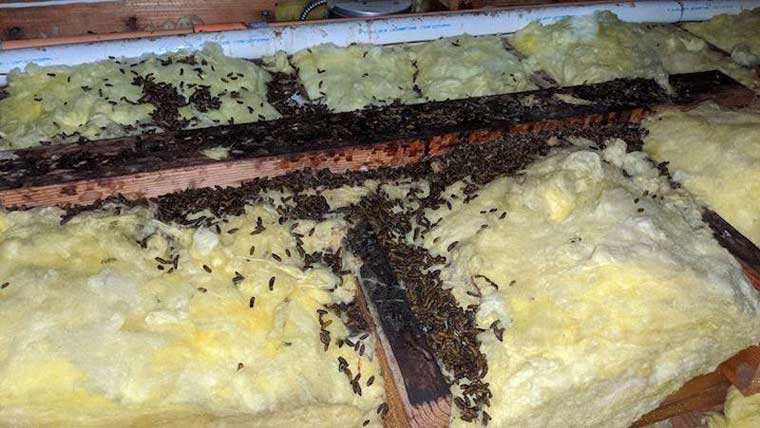
Droppings, Odors, and Rub Marks
Rodents leave clear evidence of where they’re living, feeding, and traveling through your home. Look for dark droppings in cabinets, attics, or along baseboards; strong, musky urine odors; greasy rub marks on wood, pipes, or walls; and dirty smears near entry points.
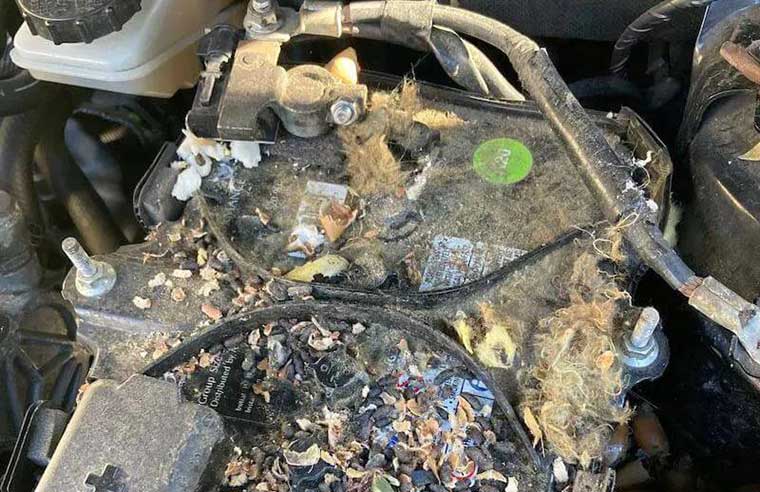
Gnawing on Wires, Wood, and Storage
Rodents gnaw constantly, leaving chewing damage throughout your home. They’ll tear into electrical wiring, insulation, wood framing, cardboard boxes, food packaging, and even car wiring.
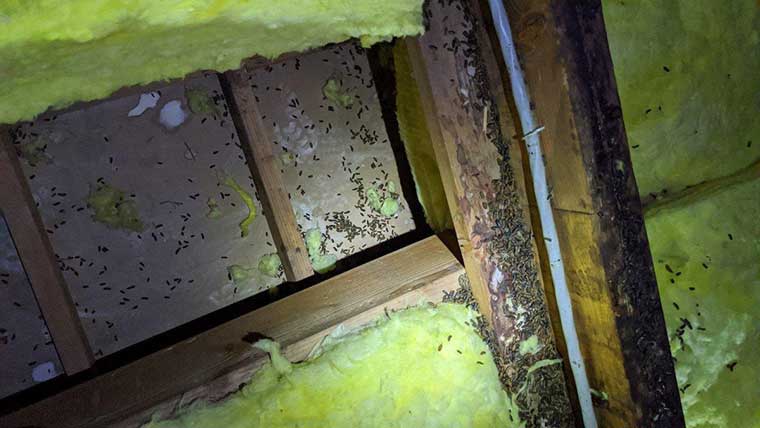
Nesting in Insulation and Hidden Areas
In Bay Area homes, rats and mice often nest in attics, crawl spaces, and garages, where it’s warm and undisturbed. Outside, they hide in thick ivy, shrubs, and overgrown landscaping, then move inside to nest. If you’re seeing nesting material or disturbed insulation, they’re already living and breeding in your home.
Our Eco-Conscious Rodent Extermination Process
1
Inspect the Entire Property
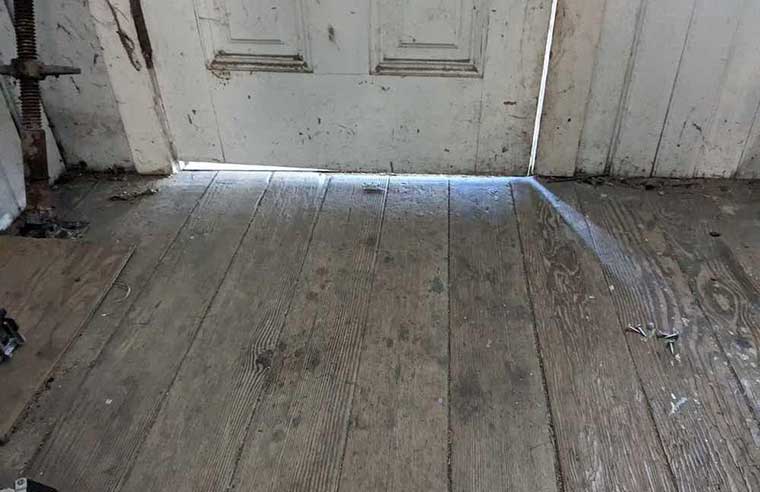
We find where the critters are active, how they are getting in, and what is attracting them to your property by:
- inspecting attics, crawl spaces, garages, rooflines, and exterior walls
- looking for droppings, rub marks, gnawing, nesting, and burrowing in insulation
- identifying active entry points and potential weak spots
- checking vents, roof gaps, utility penetrations, and foundation openings
2
Remove the Active Rodents
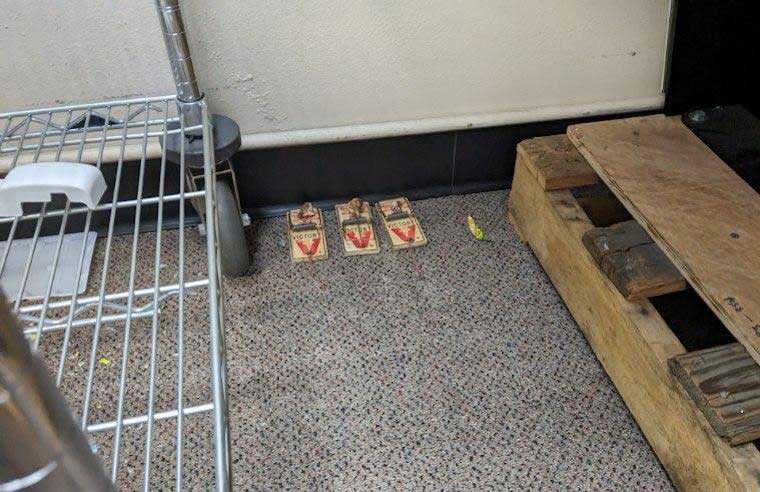
We use a combination of trapping and, when needed, targeted baiting to eliminate the active population. This includes:
- setting traps along walls, edges, and travel routes in attics, crawl spaces, garages, and other high-activity areas (we also have humane live traps available!)
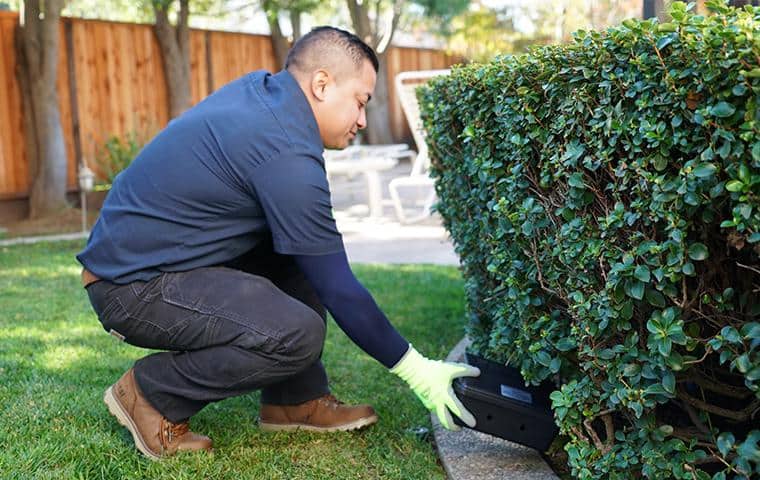
- using tamper-resistant bait stations in strategic locations when trapping alone is not enough to reduce larger populations
3
Monitor Activity and Remove Rodents
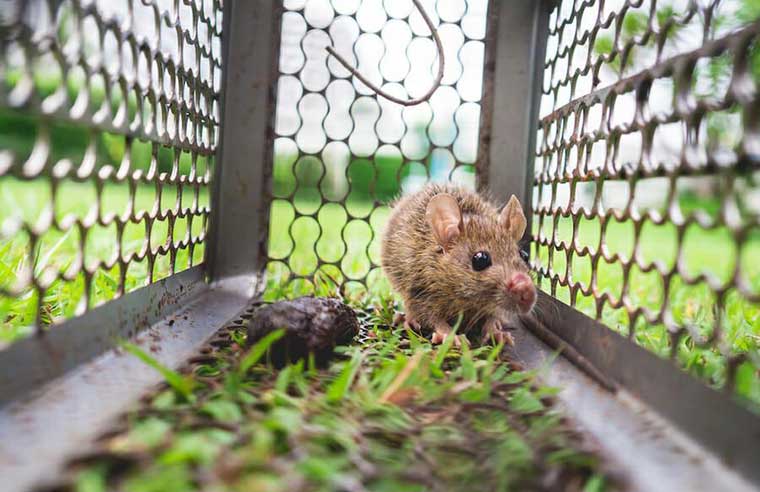
We return to your property every few days until we have caught every rodent, during which we:
- return to check traps and remove rodents
- monitor for new droppings, movement, or fresh activity
- adjust trap placement as activity shifts
4
Sanitize and Decontaminate

We treat contaminated areas to reduce health risks and lingering odor.
We:
- apply commercial-grade disinfectants to areas affected by droppings and urine
- target bacteria and pathogens such as Salmonella and hantavirus associated with rodent activity
- mask pheromones, deterring exterior rodents from entering the treated area
5
Seal Entry Points
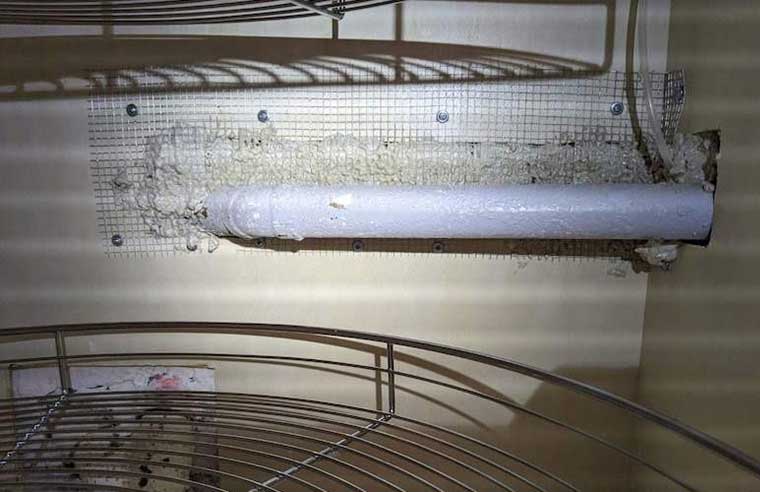
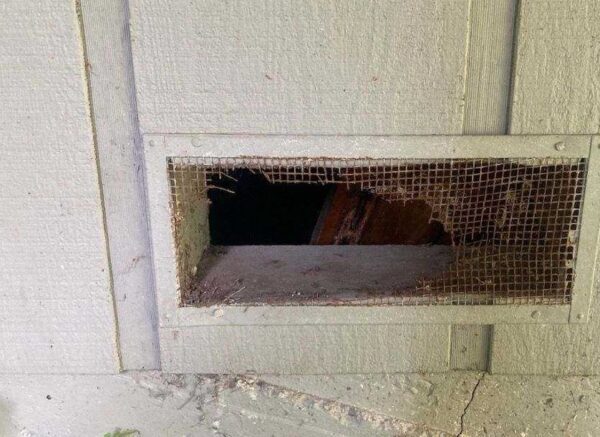
Once we remove the rodents, we close off the entry points they used to get inside your property by:
- sealing active entry points using galvanized steel mesh, hardware cloth, and metal flashing at vents, rooflines, and eaves
- securing pipe and utility gaps with steel wool backing, wire mesh, and commercial-grade sealants to block small openings
- reinforcing weak construction areas like fascia gaps and roof transitions with durable materials that rodents cannot chew through
- closing secondary and hidden gaps using a combination of metal, composite repairs, and sealants to prevent future entry
6
Remove Food Sources and Shelter

Rodents stick around your property when they find food and shelter.
We’ll help you get rid of what’s attracting them, such as:
- fallen fruit
- pet waste
- exposed trash
- cardboard clutter
- overgrown plants that give them places to hide
Success Story: How We Helped a Mountain View Homeowner Get Rid of Rats
A homeowner in Mountain View called us after hearing scratching in the attic every night and finding droppings in the garage.
They had already tried traps on their own, but the problem kept coming back.
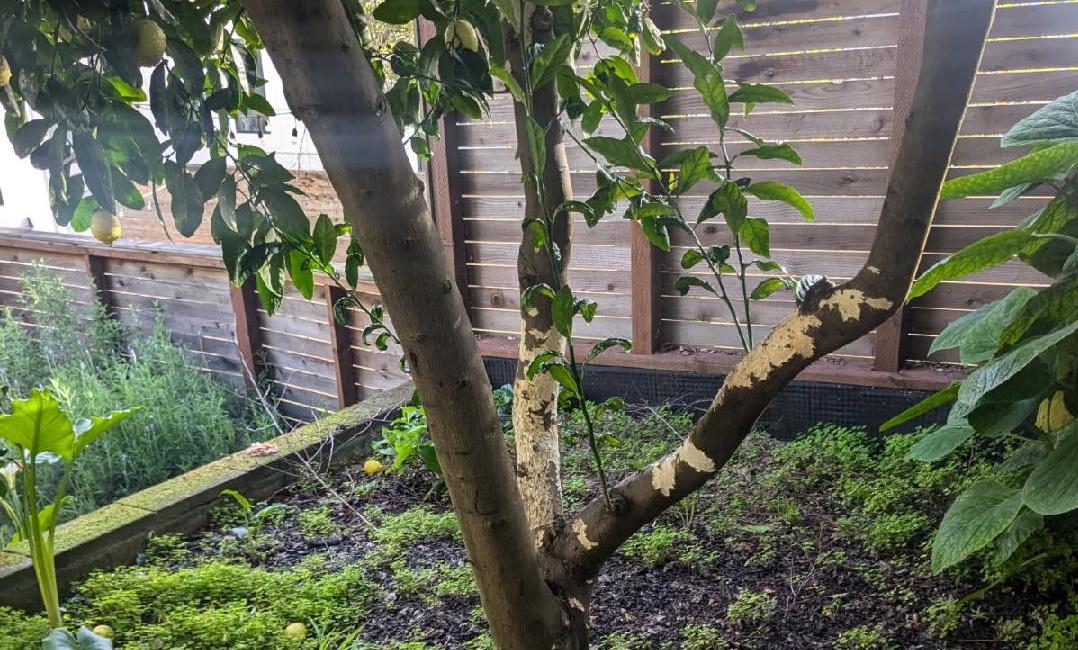
During our inspection, we found clear signs of rat activity. There were rub marks along beams, droppings throughout the attic, and burrowing in the insulation. Outside, the bigger issue became obvious. Dense ivy along the fence line, fruit trees dropping food, and branches touching the roof were giving rats easy access to the home.
The rats were climbing the fence, moving through the vegetation, getting onto the roof, and entering through small gaps near the roofline.
We set traps directly along their travel routes in the attic and garage and began removing the active rats right away. At the same time, we identified and sealed the entry points they were using to get inside.
Within a few weeks, the scratching stopped. No new droppings showed up, and the attic was quiet again.
We also guided the homeowner on trimming vegetation and reducing the conditions that were attracting rats in the first place.

What Our Customers Say
FAQ
Rats are members of the rodent family and the genus Rattus. Currently, there are more than 60 species of rats around the world, and the most common is the brown rat (Rattus norvegicus), also known as the Norway rat.
These rats were introduced to Eastern Europe via Chinese trading ships in the early 1700s. During the 1800s, they made their way to the US and can now be found on every continent except Antarctica.
The rat is a close cousin to other rodents, such as gophers, squirrels, and mice. Female rats are called does, males are called bucks, and baby rats are called pups. A group of rats is called a mischief.
Rats are common in the natural world, but they can also make their way indoors and wreak havoc for home- and business owners.
When they do, it’s critical to get rid of them as quickly as possible to prevent a full-blown infestation.
Rats reach breeding age by about 3-5 months of age. Females build nests in secluded places like behind walls or in the clutter in crawl spaces or attics. They give birth to 4-7 litters each year, each with up to one dozen young.
Adult rats live about 9-12 months (and occasionally as long as two years) in the wild. In urban environments, rats live in sewers, garbage dumps, basements, open fields, and anywhere else they can find food and shelter.
Whether they live indoors or outdoors, rats are mainly nocturnal. Rats dig burrows or build nests and forage for food. Their diets are diverse, consisting of discarded human food scraps, mice, birds, small lizards, insects, seeds, grains, fruit, nuts, and more.
Like other rodents, rats are highly vocal creatures, using vocal cues like squeaks and chirps to communicate.
They have excellent senses of hearing and smell. They are highly sensitive to tactile communication, able to sense minute vibrations in the ground and feel their way through pitch-black environments with their whiskers and paws.
Rats are easy to identify because they are larger than mice and can be distinguished by their unique features.
In California, common species of rats grow to be more than 15 inches long (from nose to tail) but vary in color and behavior. Norway rats, for example, are reddish-brown with gray undersides.
Roof rats, meanwhile, are black with grayish-white undersides. They are adept climbers and are likely to be found in higher areas. Unlike Norway rats, they are poor swimmers.
All rats have disproportionately long feet, prominent hairless ears, oversized heads, and long, scaly tails.
The reason rats are so challenging to get rid of is that they can live virtually anywhere. Wherever humans exist, rats are likely to follow. Additionally, rats are curious, cautious creatures.
We can’t control rats by trying to appeal to their appetites or assuming they’re looking for food. Because they’re such versatile eaters, rats usually have more than enough food.
The only effective way to control rats is to understand their curiosity, obsessive habits, and dislike of anything new.
Here’s an example:
Because rats follow scent trails everywhere, traps don’t usually work for the first few weeks.
This makes sense: if we put something new in a rat’s environment and it doesn’t smell like rats have been in or on it before, rats just go around it, avoiding the trap for days or weeks.
For traps to work, we must leave them for a long time. We may even need to use rat scent to make them effective.
If you’re trying to get rid of rats, be patient and seek professional rat control services. That’s the most streamlined way to get rid of these rodents and reclaim your space as quickly as possible.
Minor infestations may be resolved within a week, while larger colonies can take several weeks to eliminate completely.
Long-term success also depends on sealing entry points and removing food sources.
They can if the property is not properly secured. That’s why we combine rodent removal with exclusion and prevention, including sealing entry points and installing rodent-proof barriers to help keep them from coming back.
Any exclusion work we complete comes with a 1-year warranty on the specific areas we repaired or sealed. This covers the materials and repairs we install, like sealed entry points, metal barriers, screening, and other rodent-proofing materials, if they fail under normal conditions such as weather exposure, rodent chewing or scratching, or regular day-to-day use of the structure.
Rats carry diseases and, therefore, should be considered dangerous. They can transmit diseases like hantavirus, leptospirosis, salmonellosis, and rat-bite fever, among others. It is best to avoid contact with rats, their droppings, and their urine to prevent health and safety risks.
Rats that get into a home or business can also cause extensive property damage. Thanks to their strong, prominent teeth, rats can chew through almost anything, from wood to drywall to plastic.
Rats will gnaw insulation to create burrows, chew holes through walls, and destroy the insulation around electrical wires, creating a serious fire hazard. Rats will also consume stored human and pet food and contaminate dry food with droppings and urine.
Outside, rats can destroy newly-planted crops in gardens, burrow into landscaping, and consume fruits, vegetables, crops, and seeds.
Rats are nocturnal and rarely seen during daylight hours. If rats appear during the day, it could be an indication that their numbers are significant. Common signs of a rat infestation include:
- Feces and urine
- Scurrying and scratching sounds
- Gnaw marks on wood, plastic, and other hard surfaces
- Nests inside structures, outside structures, and even in trees or other landscaping.
- Oily rub marks in areas where rats travel
Common complaints from Smith’s service area residents include rats in their chicken coop during the daytime, gardeners who have noticed rat activity, and signs of rat infestations, like chewed wires.
To prevent rats from infesting your space, good sanitation is essential, as is making your property less attractive to these destructive pests.
- Here are a few rat prevention tips we recommend:
- Keep trash cans tightly covered
- Remove crates and boxes from loading docks and from around dumpsters
- Pick up and remove ripened fruit and vegetables from gardens
- Eliminate water sources
- Seal cracks, gaps, and openings that rats could squeeze through (rats can fit through holes the size of quarters)
- Remove food sources like bird feeders and keep pet food sealed in rat-proof containers
- Keep trees, shrubs, and hedges trimmed back at least 3’ from your home
- Use store-bought rodent repellents to deter rats from entering your home or business
Mice are small rodents belonging to the family Muridae, the largest of all mammalian families on earth.
Mice are found on every continent except Antarctica. They are adaptable and remarkably good at living alongside humans without being noticed.
In the wild, they serve an important role in the food chain, feeding hawks, owls, foxes, and snakes.
Inside your home, they are breeding fast, hard to detect, and capable of causing major damage to your property and your health.
Mice are nocturnal. They do their foraging, gnawing, and nesting while you sleep, which is exactly why most homeowners do not realize they have a problem until it has already grown.
If you spot one mouse, there are almost certainly more you have not seen yet.
Mice are opportunistic omnivores. They eat seeds, grains, fruit, insects, and almost anything edible they find in your kitchen or pantry.
House mice can survive on surprisingly little water, pulling moisture directly from the food they eat.
Once they locate a reliable food source in your home, they nest as close to it as possible, inside wall voids, under appliances, behind stored boxes, or tucked into attic insulation.
What makes mice such a persistent pest is how fast they reproduce.
A female house mouse reaches sexual maturity at just six weeks old. She can produce up to ten litters a year, with three to eight pups per litter, and she can mate again within days of giving birth.
Indoors, where food is consistent and predators are absent, mice breed year-round. Two mice that sneak into your home in autumn can become dozens by spring!
Mice are also creatures of habit. They travel the same routes night after night, staying close to walls and rarely crossing open spaces.
Their incisor teeth never stop growing, which drives them to gnaw constantly on whatever is nearby. Wood, plastic, wiring, insulation: nothing is off limits.
That compulsive chewing is a big part of why a mouse problem quickly becomes an expensive one, as they can damage your valuable belongings.
Mice are small, have large ears, a pointed snout, and a long, thin tail. Body length typically runs between 2.5 and 4 inches, not counting the tail.
Young rats are sometimes mistaken for mice, but rats are noticeably heavier with a blunter nose and coarser build.
In the San Francisco Bay Area, the two species you are most likely to encounter are:
House mice (Mus musculus): The most common indoor pest mouse in California. Grayish-brown with a lighter belly and a nearly hairless, scaly tail. House mice thrive in human environments, breed year-round indoors, and can squeeze through a gap the size of a dime. They are expert climbers and rarely stray more than 30 feet from their nest.
Deer mice (Peromyscus maniculatus): Slightly larger, with a two-toned appearance: brownish-gray on top, white on the belly and feet. Deer mice prefer wooded or semi-rural areas and commonly show up in garages, crawl spaces, and homes that back up to open land. They can carry hantavirus, a serious respiratory disease, which makes them a more urgent health concern than the common house mouse.
Mice cause two categories of serious problems: property damage and health risks.
They chew through wood, drywall, plastic pipes, insulation, and electrical wiring.
Gnawed wiring inside walls can start fires, which can develop silently within concealed wiring systems before homeowners become aware of what’s happening
Mice also shred insulation and soft materials to build their nests, and they contaminate everything they touch with droppings and urine.
House mice can spread salmonellosis, leptospirosis, and lymphocytic choriomeningitis through their droppings, urine, and saliva.
Deer mice carry hantavirus, which people can contract simply by disturbing contaminated dust in an enclosed space.
Mice also carry fleas, ticks, and mites into your home.
Since mice stay hidden during the day, you usually find the evidence before you ever see the rodent.
Here is what to look for:
1.Droppings
Small, dark, rice-shaped pellets along walls, inside cabinets, under sinks, and around food storage areas.
Fresh droppings are dark and moist. Older ones dry out and lighten in color.
If you find droppings in multiple rooms, it means the infestation has already spread throughout your home.
2. Gnaw Marks
Chew marks on food packaging, baseboards, door frames, and wiring are a clear sign of mouse activity.
Fresh gnaw marks are lighter in color; they darken as they age. Gnawed wires near appliances or inside wall voids need attention right away.
Contact the professionals to evaluate the damaged wiring and promptly replace any compromised insulation to eliminate potential fire hazards.
3. Scratching Sounds
Mice are most active at night. Scratching, scurrying, or squeaking inside walls, under floors, or above ceilings after dark is a reliable indicator of their activity.
Pets often pick up on mouse presence before their owners do. If your dog or cat keeps staring at a particular wall or cabinet for no obvious reason, it might mean they have scented mice.
4. Nests
Mice build nests from shredded paper, fabric, insulation, and other soft materials.
They tuck them into hidden spots: inside appliances, behind stored items in a garage, inside wall voids, or under attic insulation.
If you find a mouse nest, it means you have an active infestation, not just a passing visitor.
5. Grease Marks and Tracks
Mice leave dark, greasy smear marks along the walls and baseboards they travel repeatedly. You may spot tiny footprints or tail drag marks in dusty areas like attics or behind appliances.
Use these trails as a guide for where to place traps.
To prevent mouse infestations, you need to:
- Seal cracks, gaps, and openings around your foundation, pipes, vents, and utility lines. Mice squeeze through a hole the size of a dime, so be thorough.
- Install tight-fitting door sweeps and weatherstripping on all exterior doors. Repair any damaged window screens.
- Store food, pet food, and birdseed in airtight, rodent-proof containers. Do not leave food out overnight.
- Keep trash cans tightly covered and stored away from your home’s exterior.
- Clear out clutter in garages, attics, and storage areas that mice can use for nesting material and cover.
- Stack firewood off the ground and away from the house.
- Trim shrubs, trees, and vegetation back from your roofline and foundation to eliminate climbing routes and hiding spots.
House mice, roof rats, and Norway rats are the most common species in Northern California.
Roof rats tend to nest in attics and trees, Norway rats burrow in basements or under foundations, and house mice prefer walls, pantries, and storage areas.
Yes. We use eco-friendly products and tamper-resistant equipment designed for safety around children and animals.
Pricing depends on your property size and infestation severity. Call (408) 871-6988 for a free inspection and quote tailored to your needs.
DIY traps or poisons may catch a few rodents, but without addressing entry points, infestations often return. Professional help ensures a complete and lasting solution.
At Smith’s Pest Management, we typically charge $100–$250 per visit, but the final cost depends on how many rats or mice we find during the property inspection and whether we need to set traps, seal the entry points rodents are using to get into your property, or install barriers to keep them out. We’ll provide you with a free, transparent quote upfront so you’ll know the total costs ahead of time. Our qualifying rodent exclusion work includes a one-year warranty on the specific areas we seal or repair.
Kourtney B. - Los Gatos, CA
“ My chicken coop was put up five years ago. I went out one night and almost had a heart attack because there was probably 100 rats in with the chickens. I called Smith’s and the problem was solved quickly. No more rats!”