


We Stop Raccoons Before They Wreck Your Yard
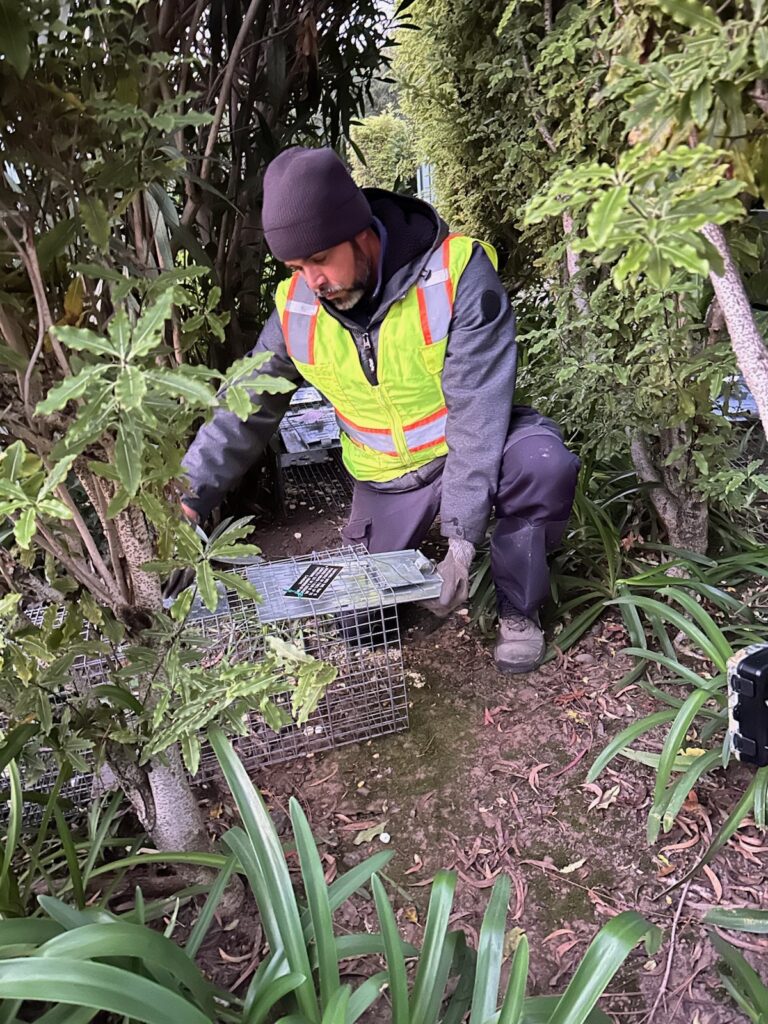
Are you noticing:
- Lawn torn up overnight?
- Loud thumping or scratching in your attic at night?
- Insulation pulled apart or scattered?
- Droppings or strong ammonia-like odors in crawl spaces?
- Damaged vents, roof edges, or soffits?
These are common signs of raccoons on your property.
Left untreated, raccoons can rip out insulation, damage wiring, contaminate attic spaces with urine and droppings, and cause thousands in structural damage.
At Smith’s Pest Management, we trap raccoons safely all across the Bay Area and seal the entry points they use to get inside, so your home stays protected.
Seeing signs of raccoon damage? Don’t wait. Get a FREE quote today!
Our 3-Step Raccoon Control Process
1
Assess and Identify the Damage
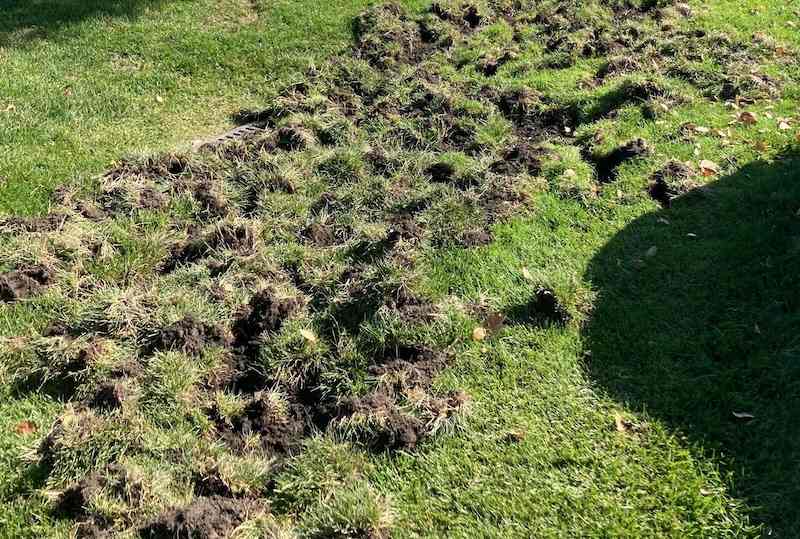
We inspect your home for damage, nesting signs, and active entry points.
We also review when and where you’ve noticed activity to confirm raccoons are responsible and determine how they’re getting in.
2
Remove Attractants and Shelter
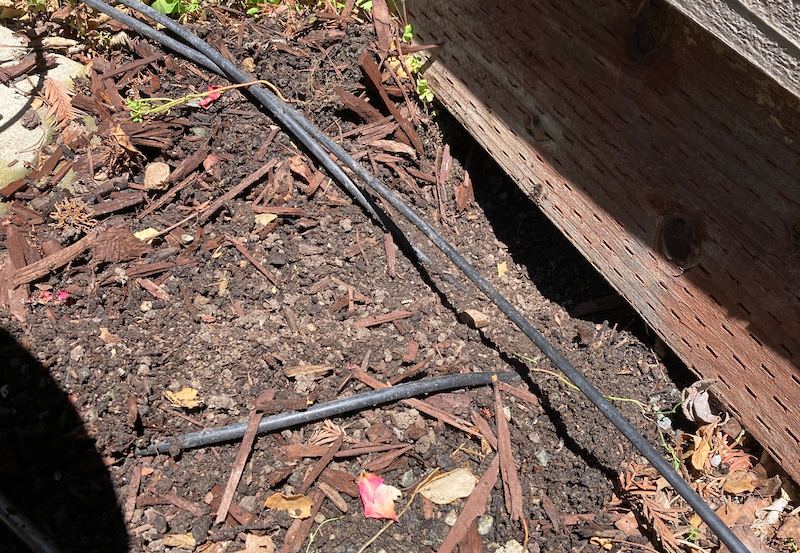
We address what’s drawing raccoons onto your property, such as unsecured trash, pet food, compost, or fallen fruit.
If they’re using your attic, crawl space, deck, or roofline for shelter, we close off those access points and eliminate nesting areas.
3
Trap, Remove, and Secure
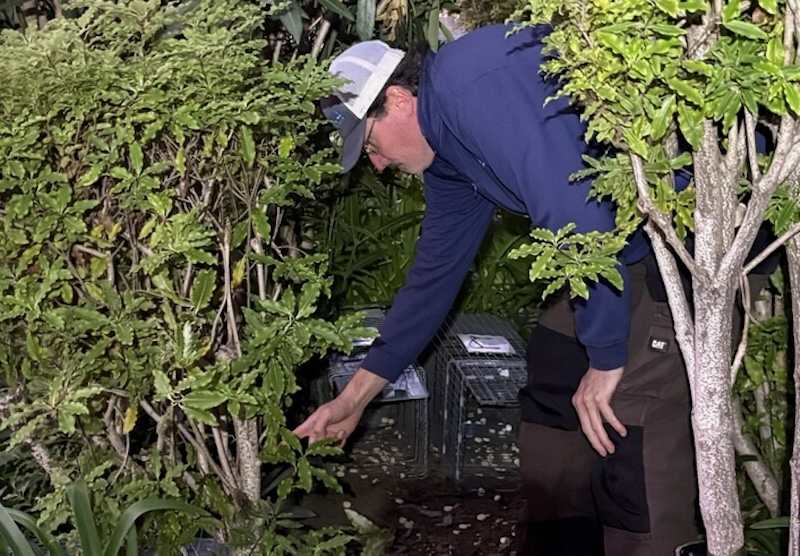
We strategically place live traps in active travel paths and check them daily to remove active raccoons from your property.
Then, we seal and reinforce entry points with professional-grade barriers to prevent re-entry.
Our exclusion work may include service coverage depending on the scope of repairs. Contact us to learn more about available warranty options.
Success Story: How We Helped a Homeowner in Walnut Creek Get Raccoons Out of Their Attic
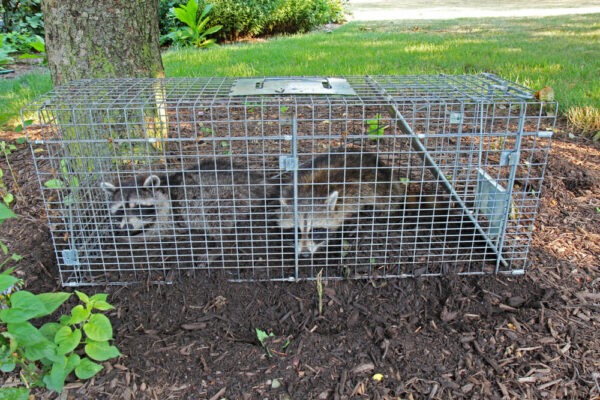
A family in Walnut Creek called after hearing heavy thumping and scratching noises in their attic late at night. Within days, the smell of urine started coming through the ceiling vents, and they noticed a roof vent had been torn open.
Our technician inspected the home and confirmed a mother raccoon and her young had entered through a damaged attic vent, which is common in neighborhoods near open space and creek corridors in Walnut Creek.
We safely removed the raccoons using live traps and carefully hand-removed the young from the attic.
Once the animals were out, we sealed the torn vent with steel mesh, reinforced nearby roof edges, and secured other vulnerable openings. We also cleaned and disinfected the contaminated insulation.
Within two weeks, the noise was gone, the odor had dissipated, and the homeowners had full peace of mind knowing their attic was secure.
Why Choose Smith’s?

Local experts serving the San Francisco Bay Area including Marin, Contra Costa, Alameda, San Mateo, Santa Clara, Monterey, and Santa Cruz Counties

Licensed, certified professionals with 15+ years of experience

Humane, eco-conscious methods that meet California regulations

Programs for homes, HOAs, schools, parks, golf courses, farms, and commercial properties
What Our Customers Say
FAQ
Common signs include heavy thumping at night, scratching sounds, torn roof vents, and insulation pulled apart.
You may also notice strong odors from urine or feces.
Raccoons are larger than rodents, so the noise is usually louder and more consistent.
While not every single individual raccoon is dangerous, you can never know which ones may be carrying rabies. Raccoon activity poses several threats, including varying levels of property damage and adverse health consequences. Here are just a few of the dangers that come with raccoon activity:
- They are known to be common carriers of diseases such as rabies, roundworm, and leptospirosis.
- They can get into your food, causing a mess and potential damage.
- They can inflict wounds on domestic pets like cats and dogs, usually at night.
- They carry fleas and ticks on them, exposing you to other infestations.
- They carry harmful bacteria on their fur and spread it around after hanging in the trash.
- They rummage through the garbage and spread it around your yard.
- They spread pathogens around, contaminating your space and threatening your health.
- They tend to bite when they feel threatened or cornered.
Sometimes raccoons move on, but if they have found a steady food source or a safe nesting spot, they often stay and return repeatedly.
Raccoons are active year-round.
Spring and early summer are especially busy due to the breeding season, when females look for safe places to raise their young.
DIY trapping can be dangerous and is regulated under California wildlife laws.
Improper removal can separate mothers from babies or cause animals to die inside walls or attics, leading to odor and contamination issues.
Considering the long list of dangers and threats that come with raccoon activity, you’ll want to do everything you can to prevent them at all costs.
That means changing habits, making structural modifications, and consistently maintaining your property.
To discourage raccoons from entering your yard, here are a few things you can try:
- Block off all entry points around home, including roof seams, baseboards, attic vents, etc.
- Empty your garbage regularly so decay doesn’t build up.
- Get a big dog to intimidate and discourage them from entering your property.
- Install fencing around the perimeter of your yard.
- Make sure not to leave food (pet or human) outside overnight.
- Promptly clean up any spilled food or birdseed outside
- Reduce excess vegetation, yard debris, and harborage materials around your property.
- Regularly trim any overhanging branches to prevent roof access.
- Use a chimney vent and keep the chimney properly capped at all times.
- Use trash bins with lids that lock into place with handles or clamps.
All of these precautionary measures can go a long way in keeping raccoons off your property. However, it’s important to remember that you can only do so much. Trying to get rid of a raccoon isn’t worth risking your safety, and you should never deal with these threatening pests on your own.
Note: If you detect any raccoon activity on your property, you must keep your distance. Never try to approach a wild animal. Raccoons usually keep to themselves, but when they feel threatened or cornered, they can become defensive, using their teeth and claws to attack.