
We Remove Moles and Restore Your Lawn
You take pride in your lawn and landscaping – but the same rich soil that helps your plants grow is also attracting moles.
When moles burrow through your yard, they leave behind raised tunnel lines and small hills of excavated soil.
This underground activity tears up the grass roots, leading to unsightly brown, yellow, or dead spots across your lawn.
At Smith’s Pest Management, we help homeowners across the Bay Area and Central Coast, from Marin to Monterey, get rid of moles before they cause thousands of dollars worth of yard damage.
Don’t delay – call now to schedule an inspection: (408) 871-6988
Signs of a Mole Problem on Your Property
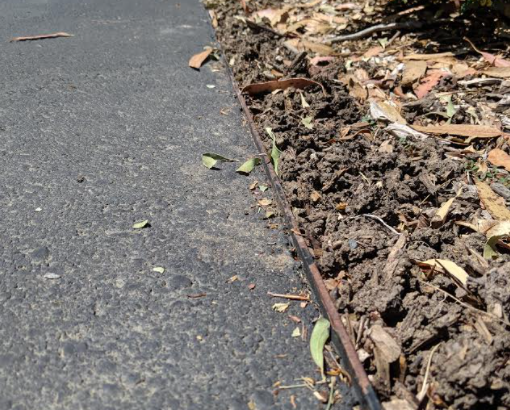
Raised Surface Tunnels
These appear as long, winding ridges across your lawn, usually about 1–2 inches high and a few inches wide.
The grass above them often feels soft or spongy because the soil underneath has been pushed up by tunneling.

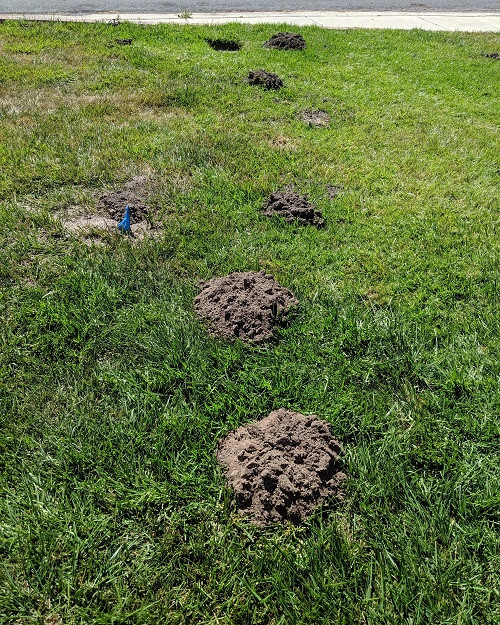
Volcano-Shaped Dirt Mounds
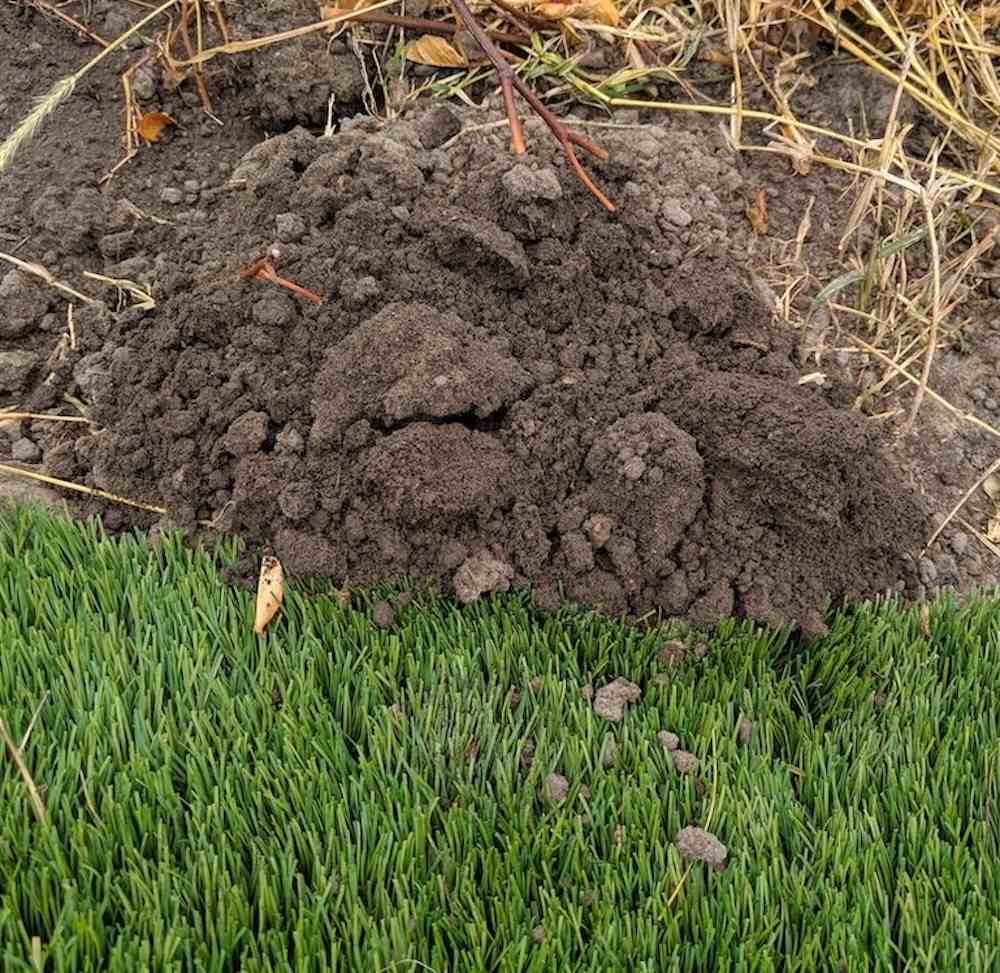
Moles often leave small piles of soil that look like mini volcanoes scattered across the lawn.
The dirt is usually loose and darker than the surrounding soil because it has been pushed up from deeper underground.
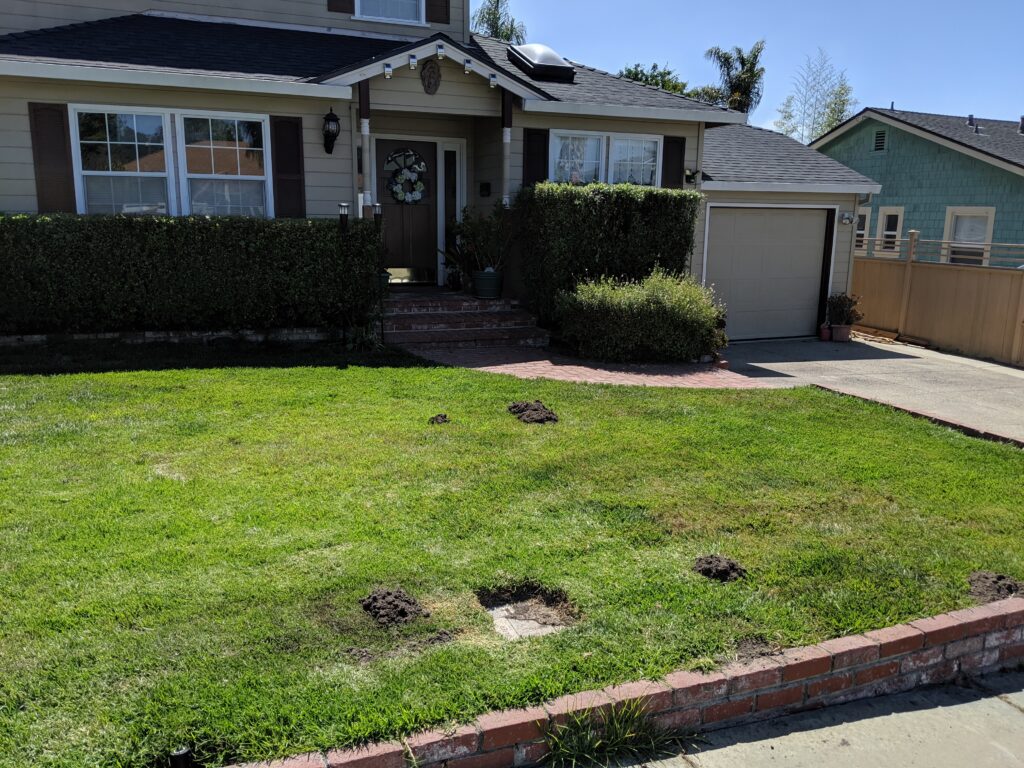
Dead or Discolored Grass Patches
You may notice areas of grass turning yellow or brown where moles have been tunneling.
This happens when digging disturbs the roots and prevents the grass from getting the support it needs from the soil.
If you’re seeing these signs, don’t wait for the problem to worsen. Schedule an inspection now: (408) 871-6988
Smith’s Mole Control & Removal Process
1
Inspect Your Yard and Locate Active Tunnels
First, we find the tunnels the mole is actually using, so we can set the traps in the right spot.
Our technician examines your lawn for:
- Raised surface tunnels
- Fresh dirt piles
- Travel paths along garden beds and fences
- Soft soil where tunnels run just below the surface
We also probe the soil to locate deeper tunnels that moles use regularly. These are the best locations for traps.
2
Set Commercial-Grade Mole Traps
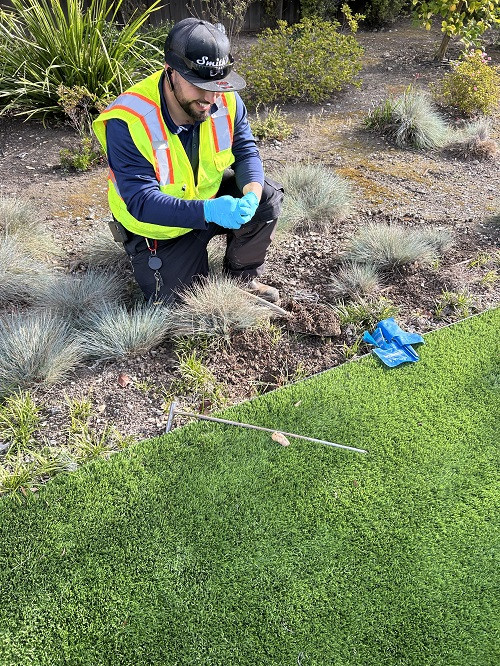
Trapping is the most reliable way to eliminate moles.
Once we locate an active tunnel, we place commercial-grade traps inside.
Our technicians carefully:
- Open the tunnel without collapsing it
- Set traps below the surface
- Avoid irrigation lines and landscape lighting
- Choose locations that minimize disruption to your yard
3
Monitor and Remove the Moles
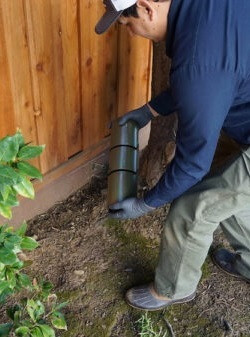
After we install the traps, we regularly return to your property to inspect them and remove any captured moles.
If the mole infestation persists, we adjust trap placement and target additional tunnels until every mole is removed from your property.
How We Keep Moles From Coming Back to Your Yard
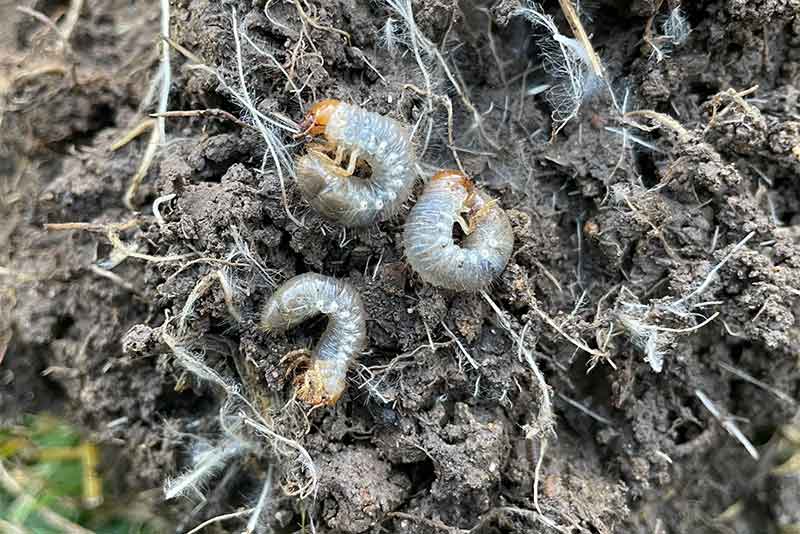
Grub Control
Moles come to your lawn looking for food, especially grubs and worms in the soil.
At Smith’s, we offer grub control treatments using a granular lawn application that reduces the insects that moles feed on.
Grub control won’t remove an active mole by itself, but it can help deter new moles from moving into your yard.
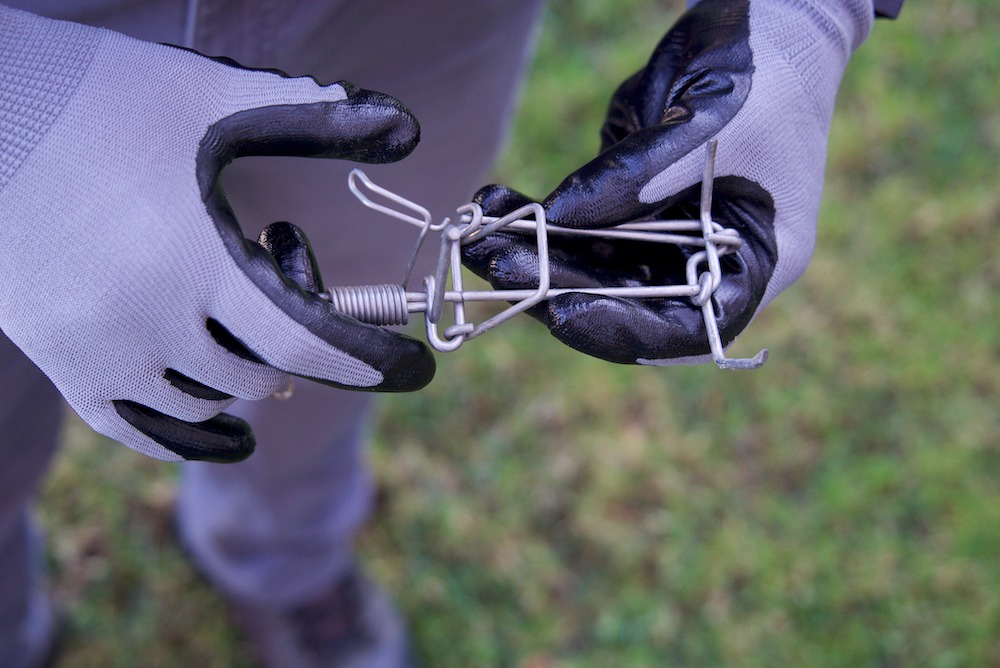
Annual Mole Control Program
Moles come to your lawn looking for food, especially grubs and worms in the soil.
At Smith’s, we offer grub control treatments using a granular lawn application that reduces the insects that moles feed on.
Grub control won’t remove an active mole by itself, but it can help deter new moles from moving into your yard.
Success Story: How We Helped a Fremont Homeowner Remove Moles from Their Yard
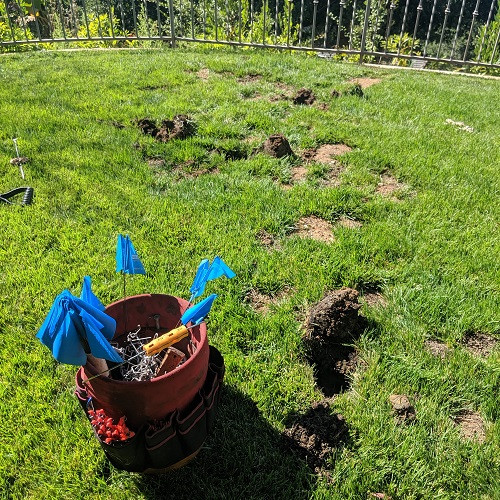
A homeowner in Fremont contacted us after noticing raised ridges spreading across their lawn.
Every few days, new piles of dirt appeared near the garden beds, and sections of grass started turning brown.
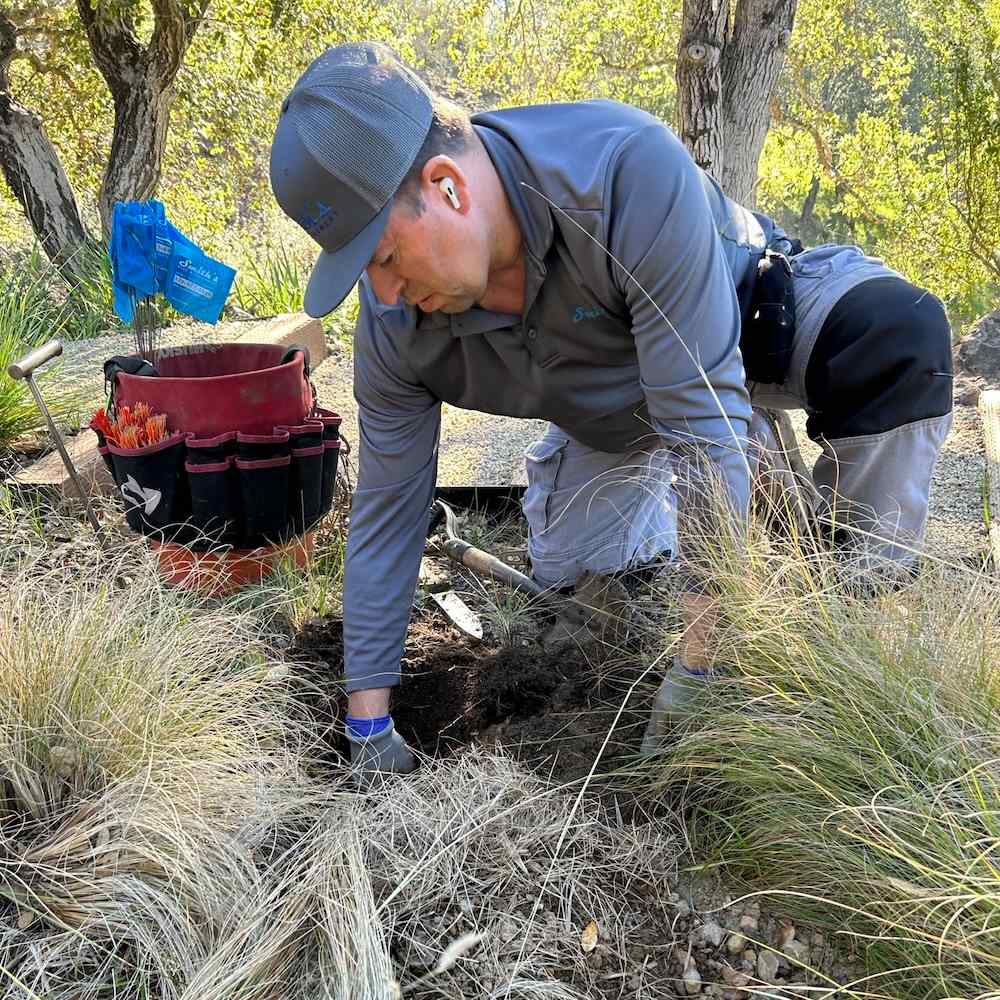
Our technician inspected the customer’s property and found several active mole tunnels along the edges of the lawn and around the irrigation zones.
We placed traps in the most active tunnels and returned to check them regularly.
Within the first week, several moles were trapped.
We continued monitoring the yard for additional activity and confirmed no new tunneling.
The homeowner removed the remaining dirt piles and watered the lawn, allowing the grass to recover.
What Our Customers Say
FAQ
Mole hills usually contain chunks of soil and appear scattered across the lawn. They also create raised ridges where their tunnels run just below the surface.
Gopher mounds typically contain fine powdered dirt and have a more consistent fan shape.
No. Moles are carnivores. They feed on worms, grubs, and soil insects.
However, their tunneling can damage plant roots and disturb the soil around landscaping.
To protect your plants, we recommend:
- Gopher baskets around plant roots
- Gopher wire barriers in garden beds
These barriers help protect root zones from burrowing animals and reduce damage in landscaped areas.
Sometimes a mole moves on, but if your yard has healthy soil with worms and grubs, another mole will often move in.
Without professional mole control, they usually continue to dig through your lawn.
DIY trapping is possible, but the difficult part is finding active tunnels, as not every tunnel is used regularly.
At Smith’s, we use soil probing tools to find these tunnels and place traps inside them.
Moles are attracted to lawns that have:
- Moist soil
- Worms and grubs
- Irrigated landscaping
- Loose soil that is easy to tunnel through