
We Stop Ground Squirrels Before They Cost You Thousands

Ground squirrels are one of the most destructive pests you can have on your property.
They burrow under concrete and foundations until everything cracks and gives way. They’ll tear through irrigation systems, demolish your landscaping, and leave dangerous holes all over the place.
At Smith’s Pest Management, we help homeowners and businesses across the Bay Area get rid of ground squirrels and stop them from coming back.
Don’t wait – call now to schedule an inspection: (408) 871-6988
Signs You’ve Got Ground Squirrels on Your Property
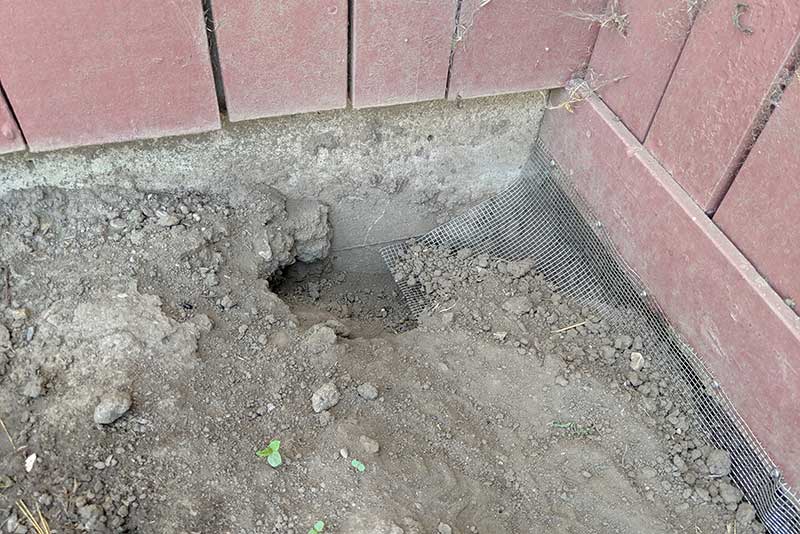
Open Holes and Burrow Entrances
Ground squirrels leave large, visible holes with loose dirt around the opening.
You’ll usually see them:
- Along foundations
- Near walkways and patios
- Around garden beds and fences
If you’re seeing multiple holes, you’re dealing with a colony, not just one squirrel.
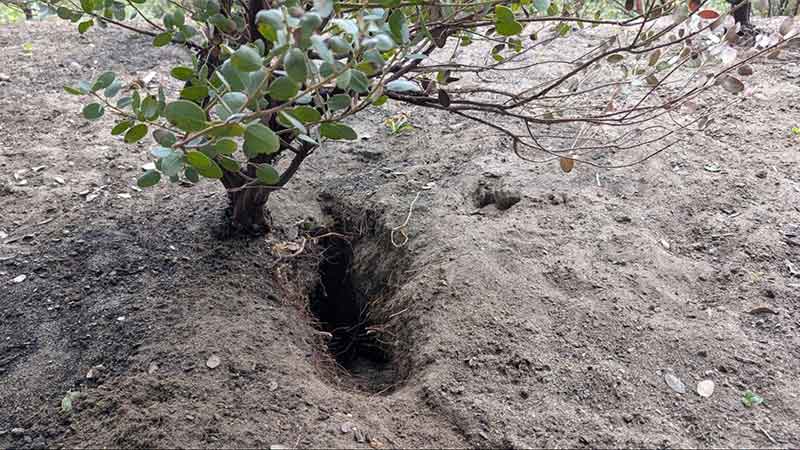
Damaged Irrigation and Dying Plants
Ground squirrels dig through soil, roots, and irrigation systems, damaging everything in their path.
Common signs include:
- Broken sprinkler heads and drip lines
- Plants are dying from root damage
- Missing fruits and vegetables
They feed and tunnel in the same areas, which quickly destroys landscaping.
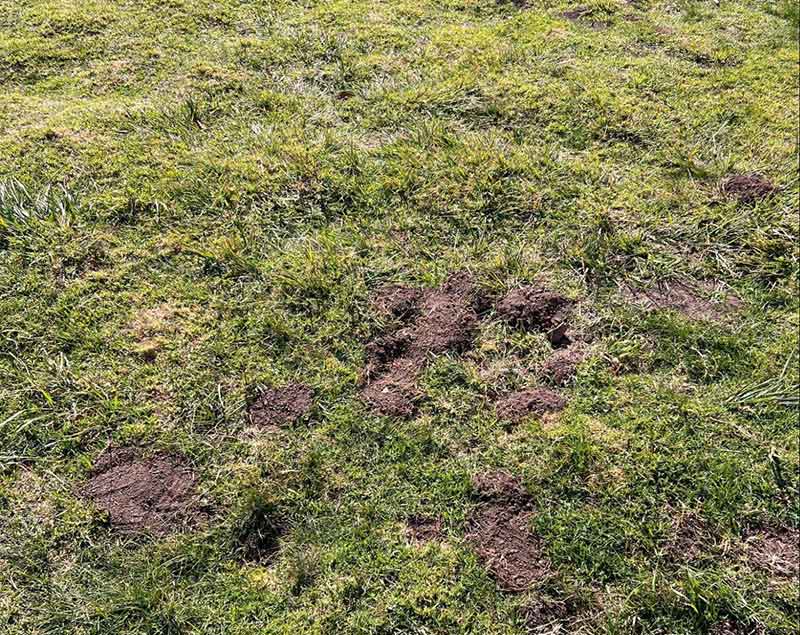
Soft Ground and Hidden Holes
As they dig, ground squirrels create large tunnel systems beneath your yard.
That leads to:
- Soft, uneven ground
- Sudden collapses underfoot
- Dangerous trip hazards
You may not notice the holes until you step in one and your foot drops into the tunnel.
Our Ground Squirrel Control Process
1
Inspect the Entire Property
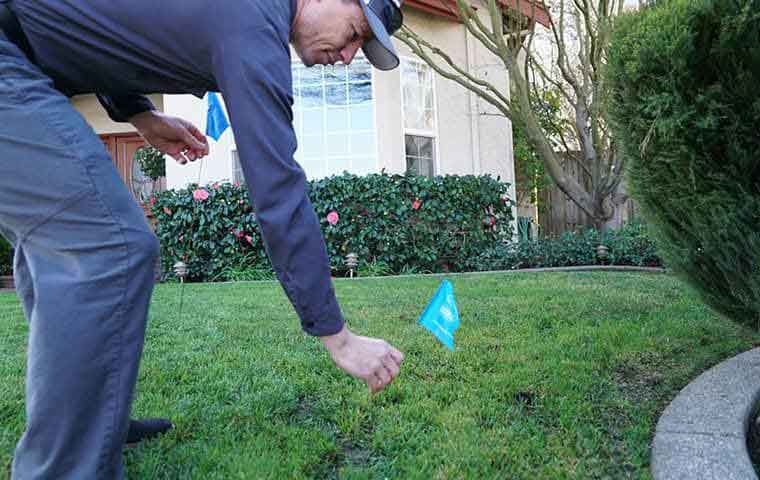
We inspect your property to see exactly where the squirrels are active and how they’re getting in.
Our team will:
- Find fresh burrows and active tunnel entrances
- Track movement across the property, especially near structures and landscaping
- Identify where squirrels are entering from nearby areas
2
Remove the Active Ground Squirrels
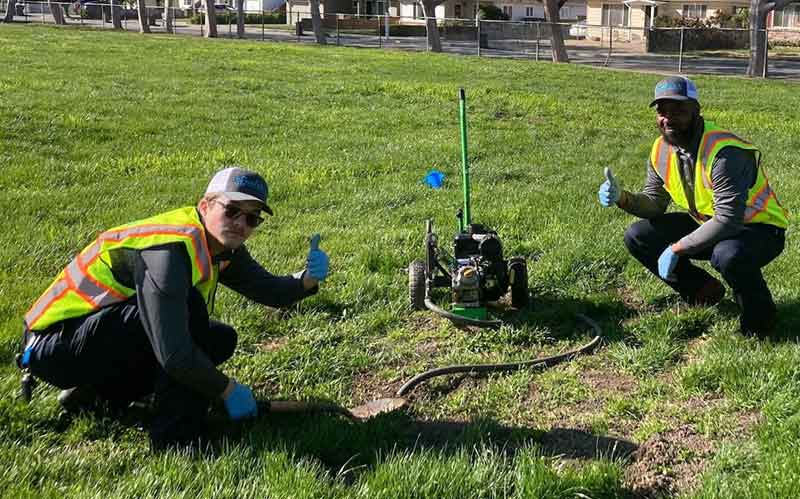
We remove the active ground squirrels using proven methods:
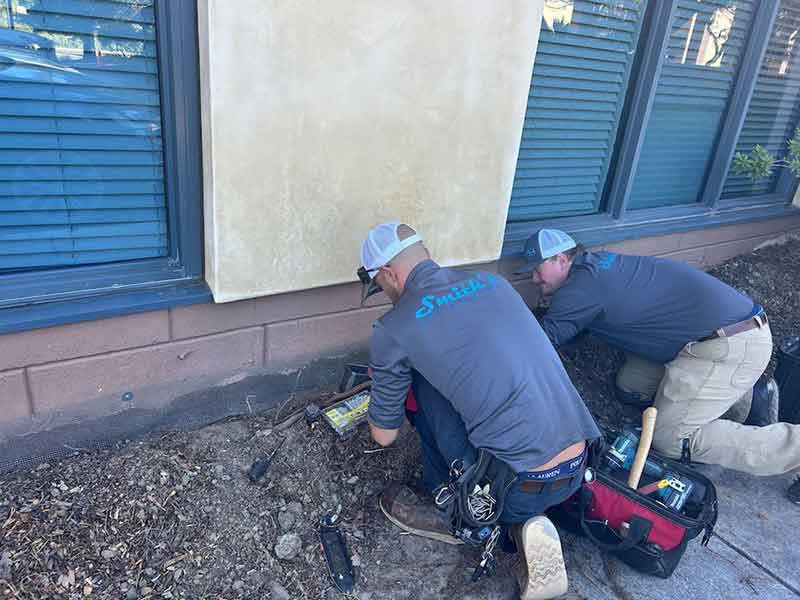
- Place traps in active tunnels and check them daily
- Treat burrows directly using approved fumigation methods
- Close all treated burrows to stop squirrels from re-entering
3
Monitor and Adjust the Treatment
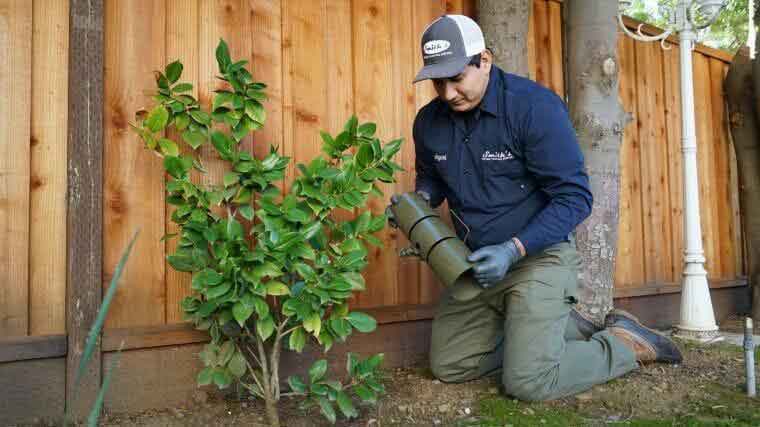
We return to your property every few days to:
- Check for new burrows, fresh holes, and active tunnels
- Move and reset traps where squirrels are still active
- Continue the treatment until we remove the entire squirrel colony
How We Keep Ground Squirrels From Coming Back
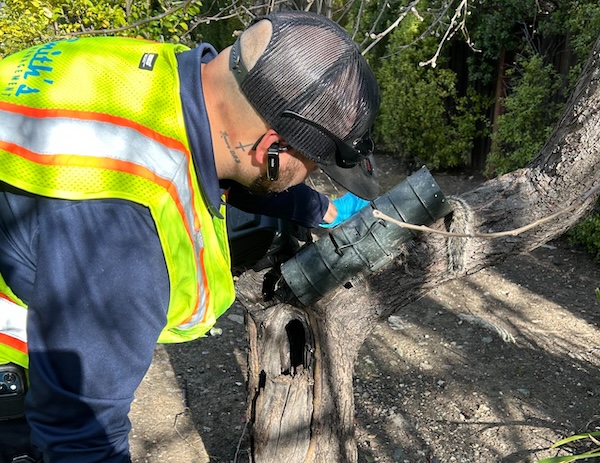
Ongoing Control Program
Ground squirrels stay active all year and keep moving in from nearby open spaces, especially in areas like San Jose, Fremont, Mountain View, San Ramon, and Walnut Creek.
We have a year-round program to keep them off your property, which involves:
- Inspecting your property on a set schedule and looking for fresh holes, new digging, and active burrows
- Keeping traps set in the areas where squirrels are most likely to enter and travel
- Catching new squirrels as soon as they show up, before they dig new tunnel systems
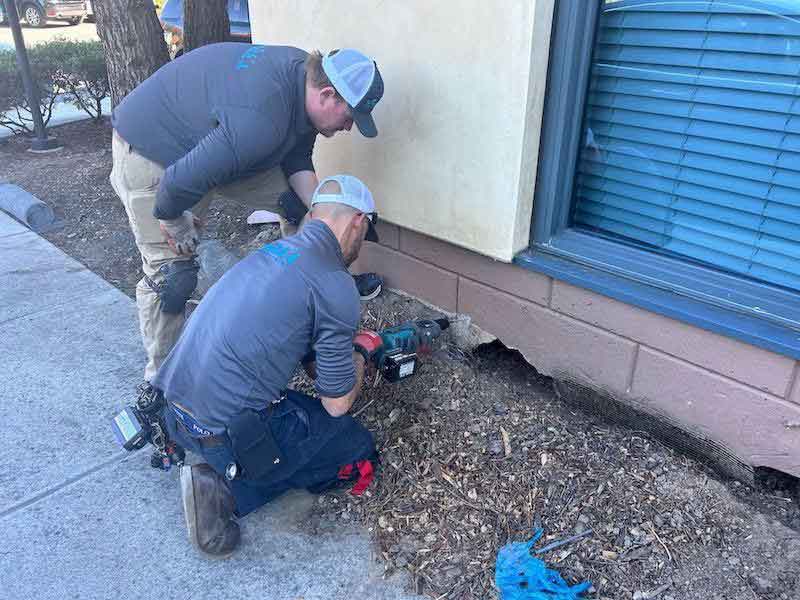
Exclusion and Property Adjustments
In high-risk areas, we may recommend physical barriers and habitat changes.
This can include:
- Installing fencing to block access
- Removing shelter areas
- Reducing food sources
These steps help protect your property long-term when combined with active squirrel management.
Success Story: How We Helped a Fremont Homeowner Get Rid of Ground Squirrels
A homeowner in Fremont contacted us after ground squirrels started destroying their yard. Holes spread across the lawn, grass and plants began to die, and the ground turned soft and unstable from the tunnels underneath.
During our inspection, we found multiple active burrow entrances around the property, especially near the fence line and along the patio. The visible holes were just part of a larger tunnel system that extended across the yard.
We placed traps directly in the active tunnels and began removing squirrels right away. As activity shifted, we moved traps to the areas with the most recent digging and continued targeting the burrow system.
Like most ground squirrel problems, this wasn’t just one or two animals. Squirrels were also moving in from nearby properties, so we stayed consistent with trapping and monitoring.
After a few weeks, the activity stopped. No new holes, no squirrel sightings, and the ground began to firm up as the burrows were no longer active.
The homeowner chose ongoing service so we can catch new squirrels early and keep the problem from coming back.
What Our Customers Say
FAQ
Ground squirrels can:
- Undermine building foundations
- Destroy lawns and gardens
- Chew irrigation lines and sprinkler systems
- Kill trees by stripping bark
- Cause trip hazards with burrow holes
- Damage crops and vineyards
Large infestations can cost you tens of thousands of dollars in damage each year.
Passed at the end of 2023, the California Ecosystems Protection Act (Assembly Bill 1322) bans the use of rodenticides containing Diphacinone, a common first-generation anticoagulant long used to control ground squirrels.
Only one bait product (Rozol) is still legal, but it’s restricted to large lots, must be used 50+ feet from structures, and is only available to licensed professionals.
This law aims to protect wildlife by limiting exposure to toxic baits and shifts both homeowners and pest control pros toward eco-friendly, holistic methods like trapping, exclusion, and habitat modification.
If you’re dealing with a large infestation, DIY methods like repellents and store-bought traps often fall short, making professional ground squirrel control a better choice.
Smith’s has developed a proprietary trapping technique that solves this problem effectively, offering a reliable alternative to banned rodenticides.
Yes. Property owners and tenants can trap ground squirrels on their own property without a license.
By law, any ground squirrels that are trapped must either be humanely euthanized on-site or released at the capture location. Relocation to a new site is illegal without a permit.
Because these rules are strict and proper euthanasia must follow humane standards, many people choose to work with a licensed pest management company like Smith’s to ensure everything is done legally and effectively.
Cost depends on the size of your property and the severity of the infestation.
Smith’s offers flat-rate monthly programs with automatic traps, making year-round control predictable and affordable.
Yes. Because ground squirrels breed quickly (5-8 babies per litter) and never hibernate, ongoing control is the only way to prevent reinfestations.
That’s why many homeowners, HOAs, and schools choose Smith’s automatic annual trapping program.
d schools choose Smith’s automatic annual trapping program.
- Ground squirrels: Dig open burrow entrances, live in colonies, and spend time above ground. They’re often seen running across lawns.
- Gophers: Push up crescent-shaped dirt mounds and rarely come above ground. They live alone in sealed tunnel systems.
Many homeowners try to handle ground squirrel problems themselves, but these intelligent pests have adapted to common control methods:
- Store-bought traps catch only a few individuals while the colony continues to grow
- Poison baits are dangerous to children, pets, and non-target wildlife
- Repellents and deterrents provide only temporary relief
- Flooding burrows is ineffective due to their complex tunnel systems with multiple exits
Ground squirrels live in sophisticated underground networks that can extend 30 feet or more.
Without professional expertise and proper equipment, it’s nearly impossible to eliminate an entire colony.