

Danville’s beautiful lawns and lush gardens make it a wonderful place to live, but they also create the perfect environment for gophers to thrive.
Here at Smith’s Pest Management, we help Danville residents get rid of tough gopher infestations, and we know firsthand how stressful and costly these rodents can be if you ignore the problem.
In this guide, you’ll learn how to get rid of gophers, which methods to avoid, and how to get professional help when you need it.
Key Takeaways
- To get rid of gophers effectively, focus on trapping them in their active tunnels, using properly placed poison bait with extreme caution, installing underground exclusion fencing and gopher baskets, removing food and shelter sources, introducing natural predators like barn owls, or hiring Smith’s Pest Management if you want a professional to take care of the problem.
- Avoid dangerous methods like DIY fumigation, inhumane approaches like live trapping, and ineffective tactics like home remedies, commercial repellents, ultrasonic devices, flooding, and gopher-repellent plants.
- For targeted, effective gopher control services in the Danville area, contact the pros at Smith’s Pest Management: (925-318-7213)
6 Proven Methods to Remove Gophers
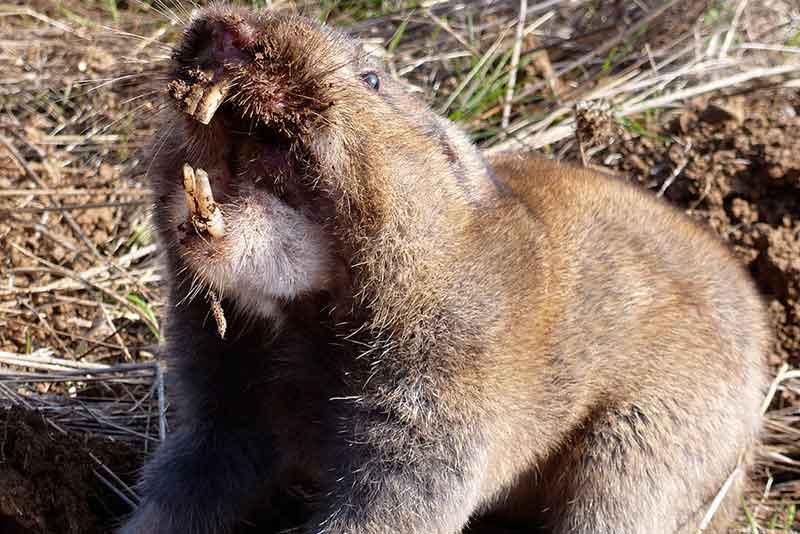
When it comes to gopher control, some methods work, and some definitely don’t.
And this makes sense: gophers are smart, persistent, and savvy, so it’s important to use a targeted and intentional approach if you actually want to get rid of them.
With that in mind, here are the tactics our pest control experts recommend:
1. Trapping
Trapping is the single most effective way to get rid of gophers in the Danville area.
Wondering why?
Traps allow you to confirm the gopher is dead (after all, you can see every gopher you trap), while tactics like smoke bombs and poison don’t allow the same certainty.
Traps are also a humane way to catch and kill gophers quickly.
The trick is knowing how to do it right:
Locate Active Tunnels
Success with trapping comes down to one thing: finding where the gophers are actually active underground.
Here’s what you need to know – those open holes you see aren’t reliable. Gophers seal them up almost immediately after creating a mound, so don’t count on those as entry points.
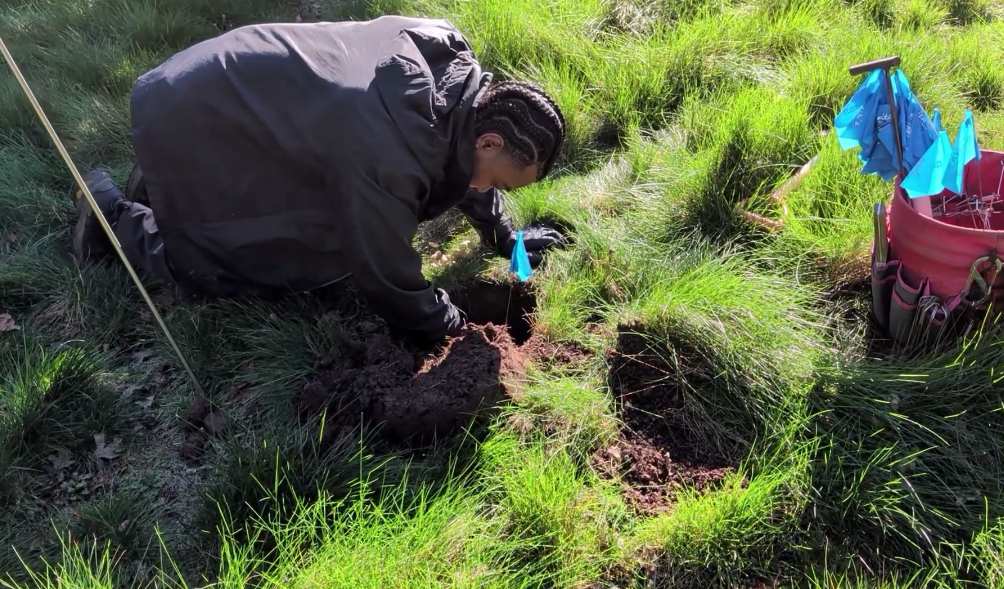
Instead, grab a long screwdriver or metal probe and start testing the ground around fresh dirt mounds.
Push it down into the soil, and you’ll feel a distinct give when you hit the tunnel. That’s what you’re looking for.
Place Your Traps
Once you’ve located a tunnel, carefully dig it open with a small shovel. Inside, you’ll find a smooth, rounded passageway about 3-4 inches across.
Clear out any loose dirt that fell in during digging – the tunnel needs to be completely clean for the trap to work properly.
Now you’re ready to set your traps.
Place one trap facing each direction in the tunnel since you won’t know which way the gopher travels.
Here’s a critical step: always anchor your traps. Gophers can actually drag traps deeper into their tunnel system, and you don’t want to lose your equipment underground.
Monitor and Adjust
Cover the opening with cardboard, plywood, or replace the sod if you’re working in a lawn area. Just make sure you’re not blocking the trap mechanism with dirt.
Then give it time. Check your traps daily, though waiting 2-3 days is perfectly fine. Since gophers are solitary creatures, you’re usually dealing with just one animal per tunnel system.
If nothing happens within a couple of days, that tunnel probably isn’t being used anymore. This is why setting multiple traps in different locations gives you better odds.
Finding those active runways takes some practice, but once you locate one, you’re well on your way to solving the problem.
2. Poison Bait
Baiting is another popular option to get rid of gophers, but it’s highly toxic and requires extreme caution.
Most commercially available gopher baits mimic the gophers’ favorite food sources and deliver lethal doses of chemicals like zinc phosphide or warfarin.
These poison baits can easily kill pets, wildlife, and non-target species, and can be hazardous to kids and people.
With that in mind, make sure you’re following all of California’s rodenticide laws and using caution when you handle and place baits.
Here’s what matters most: you have to place the bait correctly.
Just like with trapping, you need to locate the active tunnel system first. Once you’ve found it, insert the poison in the right quantity according to the product label, and make sure you’re wearing protective equipment while handling it.
The Wrong Way to Bait
Never, and we mean never, put poison on the ground surface. Don’t expect the gopher to come find it there.
The only safe and effective way to use bait is to place it directly in the gopher’s runway and then close it back up.
Why is this so important?
We’ve seen people sprinkle poison on the ground like gophers are going to come out and eat it.
All you’re doing is feeding birds, the neighbor’s dog, cats, coyotes – any animal that comes across it. That bait will get eaten by something, and it probably won’t be the gopher you’re targeting.
If you’re not comfortable with the risks and proper application techniques, baiting might not be the right choice for you.
Trapping offers a safer alternative that doesn’t pose these same dangers to other animals and people in your area.
3. Fencing and Exclusion
Want to protect your property from gophers without killing them? Exclusion is a solid option that keeps gophers out of lawns and gardens without introducing traps or poison baits.
Your best options are installing underground fencing barriers or using gopher baskets to protect individual plants.
Installing Gopher Fencing
Today, most exclusion fencing is made from fine metal mesh that gophers can’t squeeze or chew through.
Depending on the layout of the area you want to protect, you can place the fencing around garden beds or trees, or beneath freshly-planted sod, which will deter burrowing.
As a general rule, you should always use wire mesh with openings less than ½” x 1” (small gophers can fit through 1” openings).
Additionally, the fencing should be buried at least 24” underground and extend at least 24” above-ground so gophers can’t dig under it or walk over it.
Just make sure you’re buying something made specifically for gophers – don’t use chicken wire or cheap alternatives that won’t hold up.
Gopher Baskets and Wire
If you’re planting landscape plants and don’t want to deal with trapping, consider using stainless steel or high-quality galvanized gopher baskets.
These create a protective barrier around the root zone of individual plants. They will eventually rust away, but they buy you significant protection in the meantime.
Keep Your Expectations Realistic
Now, here’s the reality: gopher baskets and wire prevent gophers from physically reaching the roots of your plants most of the time.
But don’t be surprised if a gopher outsmarts you.
We’ve seen it happen – the gopher comes out of the ground, climbs over the wire basket, digs back down into the root zone, and eats the plant anyway. It’s not common, but it happens.
Still, you’re better off with gopher baskets and proper exclusion fencing than without them, especially if you’re not planning to trap.
They significantly reduce your gopher problems, even if they’re not 100% foolproof.
4. Remove Shelter and Food Sources
This is one of the most important things you can do to reduce gopher populations:
Reduce their available food and shelter.
Here are a few tips:
- Get rid of weeds around the borders of your garden.
- Have your lawn treated for earthworms (these are one of a gopher’s favorite food sources).
- Clean up fallen fruits and vegetables as soon as they hit the ground.
5. Introduction of Natural Predators
This method is non-toxic and can be effective at reducing gopher populations.
To introduce natural predators to your property, consider adding barn owl nesting boxes in trees around problem areas.
If you have outdoor cats, they can also be surprisingly effective gopher hunters. Cats often catch and kill gophers before you even notice there’s a problem – it’s one of the benefits of having a mouser around your property.
While natural predators won’t eradicate gophers completely, and this isn’t a quick fix, it can be a good way to keep populations under control over the long term.
6. Call Smith’s Pest Management
If you want to get rid of the gophers as quickly as possible, bring in the experts at Smith’s Pest Management.
Our experienced team can locate and identify active tunnel systems, select and place the right traps, and provide comprehensive monitoring and follow-up.
In other words, we’ll take the gopher problem off your hands so you don’t have to think about it or try dozens of different DIY methods.
Our expert techs also understand local details like Danville’s soil conditions and the patterns of seasonal gopher activity, which allows us to provide targeted and efficient control.
Give us a call today to learn more about how we can help get rid of your gophers: (925-318-7213)
Methods to Avoid
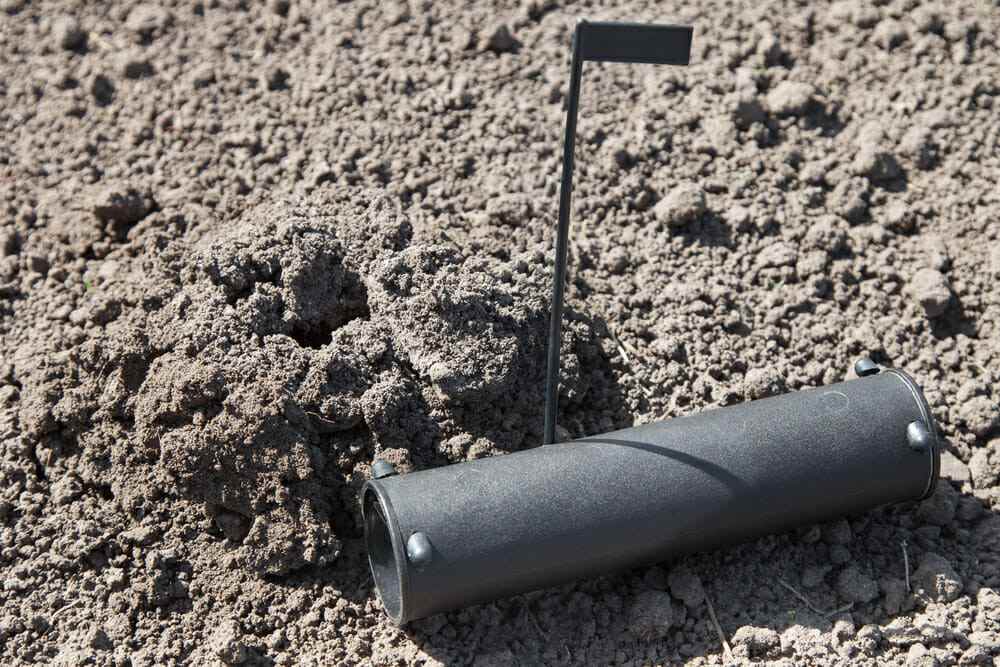
Now that we’ve covered the methods we do recommend, let’s go over a few you definitely should not use:
1. Flooding Tunnels
Gophers live underground, so some people believe that if you flood the gopher holes, it’ll force the gophers out, right?
Wrong.
In reality, this approach is most likely to ruin your lawn.
All that water loosens the soil under the grass, which makes it easier for gophers to dig more tunnels.
Flooding can also cause sinkholes and jack up your water bill.
And the gophers? They’ll simply wait the flood out in another part of the tunnel system.
The end result is a soggy yard and the same number of gophers.
2. Live Trapping
Live trapping sounds humane and straightforward. Unfortunately, it rarely works.
Gophers and other digging rodents are actually quite delicate, and they don’t recover well from injuries, which means that trapping and relocating them can be inhumane.
Even if you managed to move a gopher without injuring it, gophers are highly territorial.
Dropping a gopher into another area usually leads to violent encounters with resident gophers, often ending badly for one or both of them.
In other words, live trapping isn’t as kind or effective as it sounds.
3. Fumigation
Fumigating gophers generally isn’t something we recommend for DIY removal, and there are several good reasons why.
Why DIY Fumigation is Risky
Some homeowners try smoke bombs or road flares. Road flares burn for a long time and get extremely hot – hot enough to melt irrigation pipes or burn underground tree roots.
Smoke bombs made specifically for gophers work by spreading gas through the tunnels, but the results are mixed at best.
Gophers are incredibly skilled diggers and can easily block off parts of their tunnels with dirt to avoid the gas. With trapping, you know for certain you got the gopher.
With fumigation, you’re left wondering if the gopher is just hiding out or temporarily stopped making piles.
Some people try running a hose from a car tailpipe into the tunnel for carbon monoxide fumigation. It’s iffy, and honestly, it’s just as much work to set up as it is to simply set a trap.
Professional Fumigation Methods
There are professional-grade fumigation options – like carbon dioxide fumigation that we use at Smith’s Pest Management – that work much better.
The difference is that professionals have the proper equipment, training, and safety protocols to use these methods effectively.
There are also extremely toxic fumigants like aluminum phosphide gas (also called Fostoxin), which releases a lethal gas when it contacts moisture.
That gas can follow tunnels under your house and come up inside. It’s happened.
This is professional-use-only material that requires specialized licensing for good reason.
The Bottom Line
While professional fumigation can be effective, it’s expensive and carries significant risks if not done properly.
For most homeowners, trapping remains the most reliable and safest DIY option.
Leave fumigation to licensed professionals who have the right equipment and know how to do it safely.
4. Ultrasonic Devices
Ultrasonic and vibration devices may sound promising, but they don’t do the job.
When we’re out in the field, our techs see gophers tunneling right next to those expensive devices all the time.
Unfortunately, noisemakers don’t actually bother gophers enough to make them leave.
5. Repellents and Home Remedies
We hear about home remedies all the time: Juicy Fruit gum, human hair, cat poop, cayenne pepper, castor oil, ammonia, stinky substances, and more.
None of these works.
Here’s why these remedies fail: pocket gophers don’t leave open holes where you can just drop things in.
If you see an open hole, it’s probably plugged further down and not actually active.
There’s no way you’re getting those remedies into the tunnel system as people claim.
Commercial Repellents
Most commercially available repellents contain chemicals or natural ingredients designed to make an area unappealing to gophers.
The problem? You’d have to use massive amounts of product for a repellent to be even remotely effective.
Since gophers burrow underground, you’d need to actually saturate the soil with the repellent, which means applying it heavily and often.
You’d also need to water it in enough to saturate the dirt, which can negatively impact nearby plants, gardens, and trees.
Bottom line: repellents aren’t an effective stand-alone solution.
Castor Oil
Castor oil is often touted as a natural repellent solution, but there’s very little proof that it works on gophers.
While it’s been studied more for moles, results for gophers are inconsistent at best. It may sound appealing, but it’s not a dependable fix.
“Gopher-Repellent” Plants
Planting so-called gopher-repellent plants (like lavender, rosemary, eucalyptus, garlic, salvia, etc) is another common suggestion that doesn’t actually work.
In fact, there’s no solid evidence that any plant reliably keeps gophers away, so this method usually ends up being a waste of time and money.
Spreading Pet Waste
Some people suggest spreading cat or dog waste around gopher mounds, thinking the smell will scare them off. This doesn’t work either.
Gophers live underground in sealed tunnel systems – they’re not coming to the surface to be scared away by pet waste.
All you’re doing is creating an unsanitary mess in your yard.
Got a Gopher Problem in Danville? Smith’s Pest Management is Here to Help!
Gophers are some of the most damaging pests on Danville properties.
While DIY prevention and control efforts may help in the short-term, they’re not usually enough to actually get rid of these persistent little critters.
Fortunately, we’re here to help. The team at Smith’s Pest Management offers effective, science-backed solutions that actually work in local conditions.
Whether you’re dealing with your first gopher mound or a persistent infestation, our targeted approach can save you time, money, and headaches.
Give us a call today to learn more or request your quote: 925-318-7213
FAQs
What time of year are gophers most active in Danville?
Gophers in Danville are active year-round, but activity tends to increase in spring and fall when soil conditions are ideal for digging and food sources are abundant.
What is the difference between moles and gophers?
Gophers and moles are very different. Gophers eat plants and roots and leave crescent-shaped mounds, while moles eat insects and create raised surface tunnels without large dirt mounds.
How long does it take to get rid of gophers completely?
It depends on the infestation size and the property conditions. Some issues can be resolved in a matter of days, while larger or recurring infestations may take several weeks with ongoing monitoring.
What attracts gophers to my Danville yard?
Gophers are attracted to
- Soft, well-watered soil
- Roots of grass, shrubs, and trees
- Vegetable gardens and flower beds
- Landscaped properties with minimal predators